Donner Party
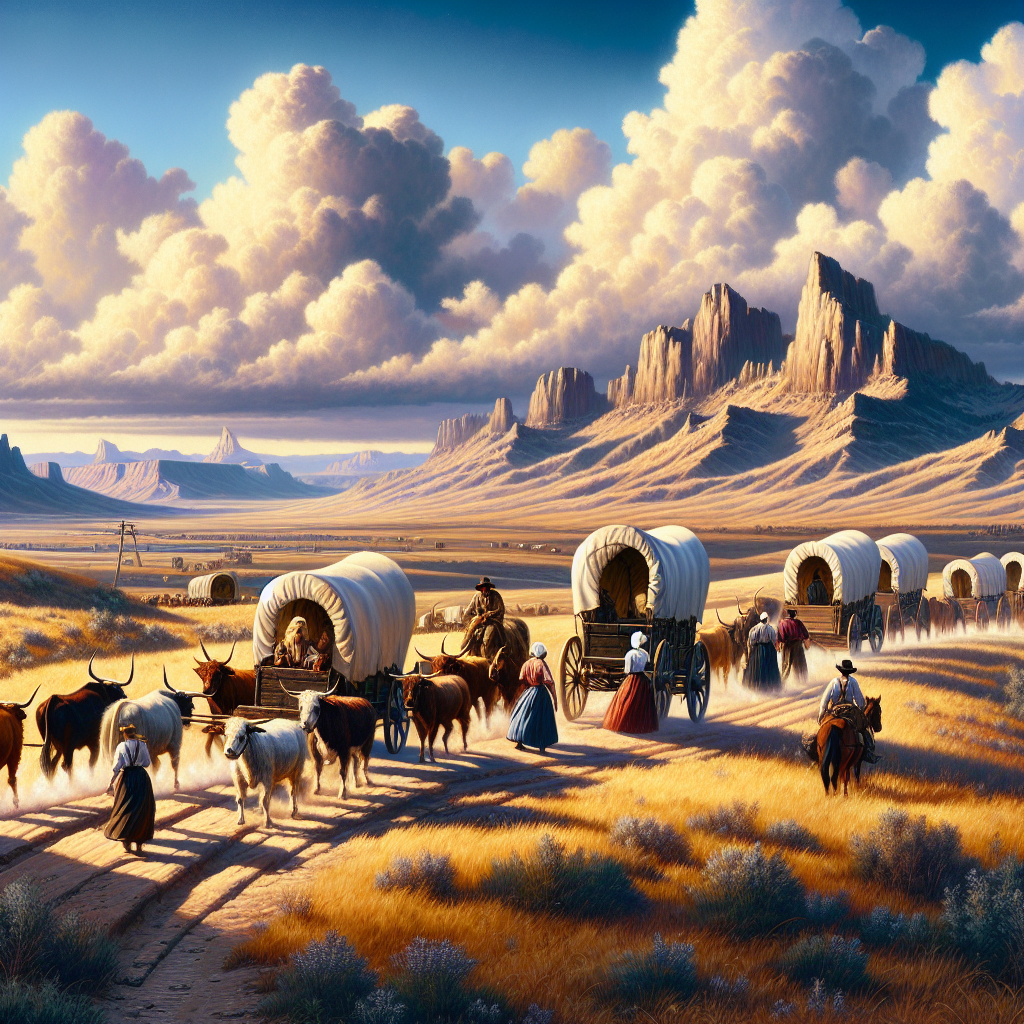
The Donner Party left Illinois in the spring of 1846 as a group of 87 emigrants bound for California, confident enough in a shortcut called the Hastings Cutoff that they left the main trail near Fort Bridger weeks behind schedule. The cutoff cost them nearly a month crossing Utah's Wasatch Mountains and the Great Salt Lake Desert instead of saving time as promised, and by the time the group reached the eastern slope of the Sierra Nevada in late October, early snowstorms had already closed the mountain pass ahead of them.
Trapped through one of the harshest winters on record, the party split between two camps near what is now Donner Lake, slaughtering draft oxen, boiling hides, and eventually eating the bodies of companions who had already died, after supplies ran out and repeated rescue attempts failed to reach them before spring. Roughly 40 of the 87 members died before the last survivors were brought out in April 1847, seven months after they had become trapped, in a disaster that became, almost immediately, the defining cautionary tale of the entire overland emigration era.
News of the cannibalism reached eastern newspapers within weeks of the rescue and has defined the Donner Party's reputation ever since, overshadowing the more mundane errors -- a late departure, an unproven shortcut, a failure to cache extra supplies -- that actually caused the disaster. California named Donner Lake and Donner Pass after the party's lead families, and the state now operates Donner Memorial State Park on the site where the largest camp waited out the winter.
| Departed Illinois | Spring 1846 |
| Fateful shortcut | Hastings Cutoff, near Fort Bridger |
| Trapped near | Donner Lake, Sierra Nevada |
| Party size / deaths | 87 members; roughly 40 died |
| Survivors rescued | April 1847 |
| Site preserved as | Donner Memorial State Park, California |
| Date | Trapped October 1846; rescued April 1847 |
| Location | Donner Lake, California |