Citizens United v. FEC
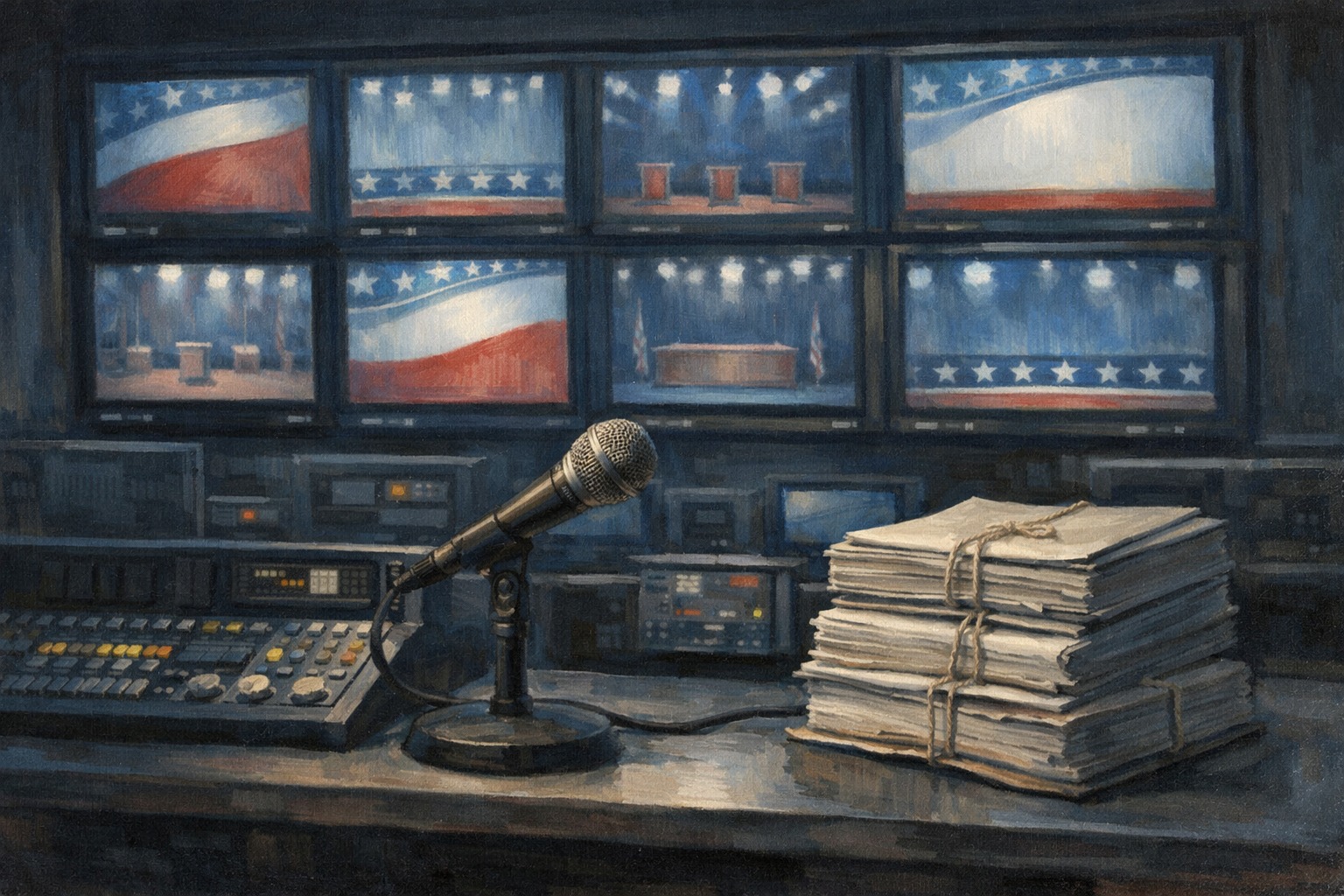
The Bipartisan Campaign Reform Act of 2002, known as McCain-Feingold, barred corporations and unions from paying for broadcast ads that mentioned a federal candidate within thirty days of a primary or sixty days of a general election. In 2008 Citizens United, a conservative nonprofit, produced Hillary: The Movie, a ninety-minute documentary sharply critical of Senator Hillary Clinton, and wanted to offer it on cable video-on-demand during the Democratic primaries. The Federal Election Commission said that would violate the law.
The case began narrowly. After an initial argument the Court asked the parties to address whether its earlier precedents upholding limits on corporate spending should be overruled. On January 21, 2010, it ruled five to four that they should. Justice Anthony Kennedy wrote that the government may not suppress political speech on the basis of the speaker's corporate identity, and that independent expenditures do not give rise to corruption or the appearance of corruption.
Justice John Paul Stevens read part of his ninety-page dissent from the bench. Corporations, he wrote, are not themselves members of society, and the majority's ruling threatened to undermine the integrity of elected institutions across the nation. By eight to one the Court upheld the law's disclosure requirements. A week later President Obama criticized the decision in his State of the Union address with several justices sitting in front of him.
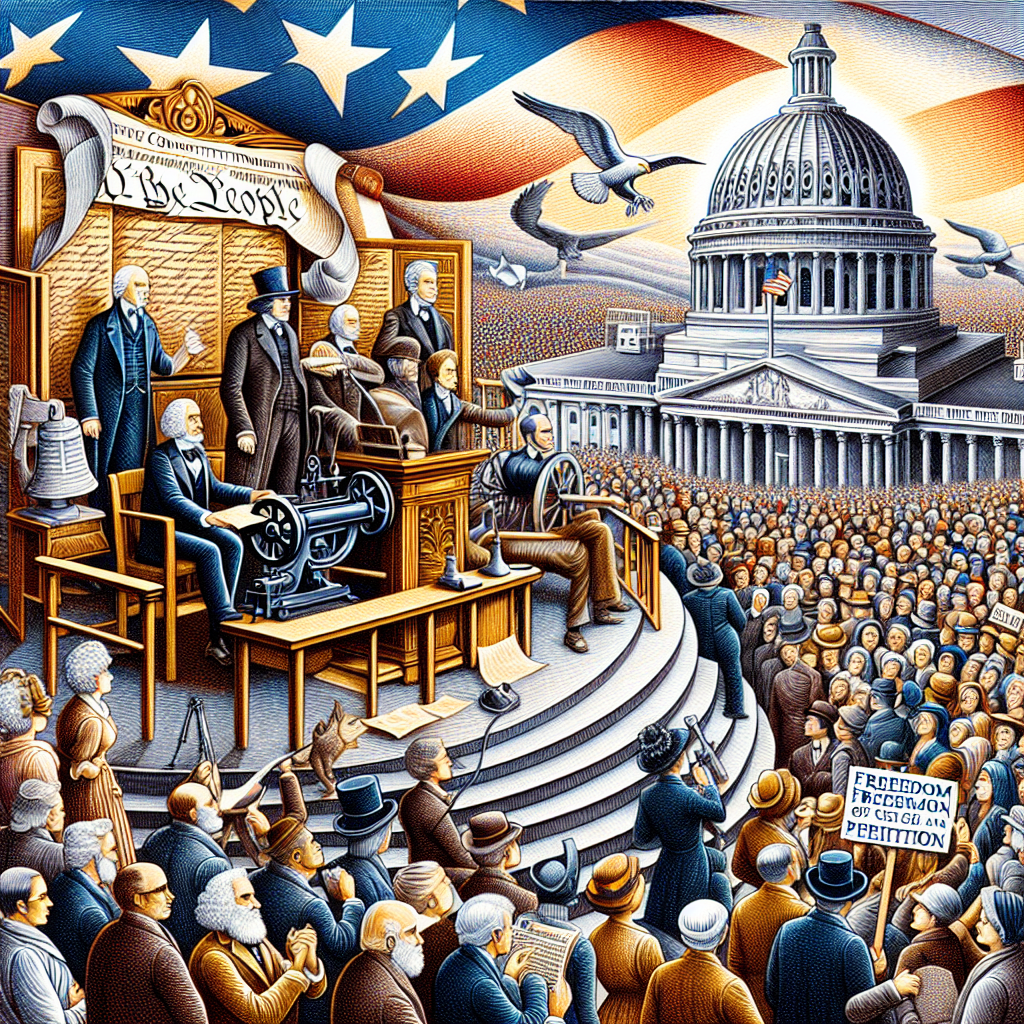
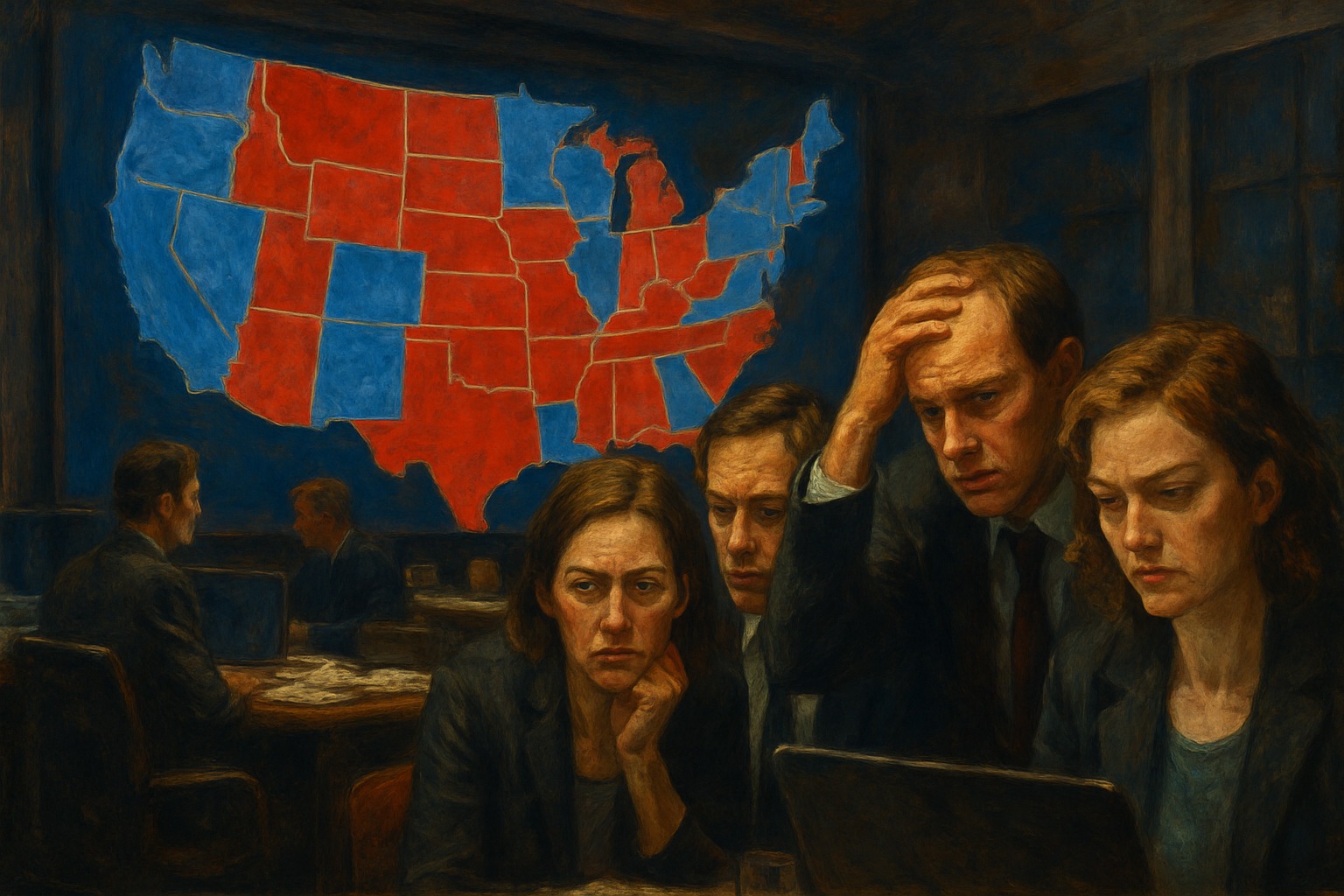
A lower court soon applied the reasoning to strike down limits on contributions to groups that only spend independently, creating the super PAC. Outside spending in federal elections rose from hundreds of millions to several billion dollars a cycle. Defenders argue that the ruling protects the right of people to pool resources and speak about candidates, and that unions and advocacy groups benefit as much as businesses. Critics argue that it opened elections to concentrated wealth and anonymous money passed through nonprofits.
| Citation | 558 U.S. 310 (2010) |
| Decided | January 21, 2010 |
| Vote | 5 to 4 on spending, 8 to 1 on disclosure |
| Opinion | Justice Anthony Kennedy |
| Overruled | Austin v. Michigan Chamber of Commerce (1990) |
| Aftermath | The rise of super PACs |
| Date | Decided January 21, 2010 |