Election of 2016
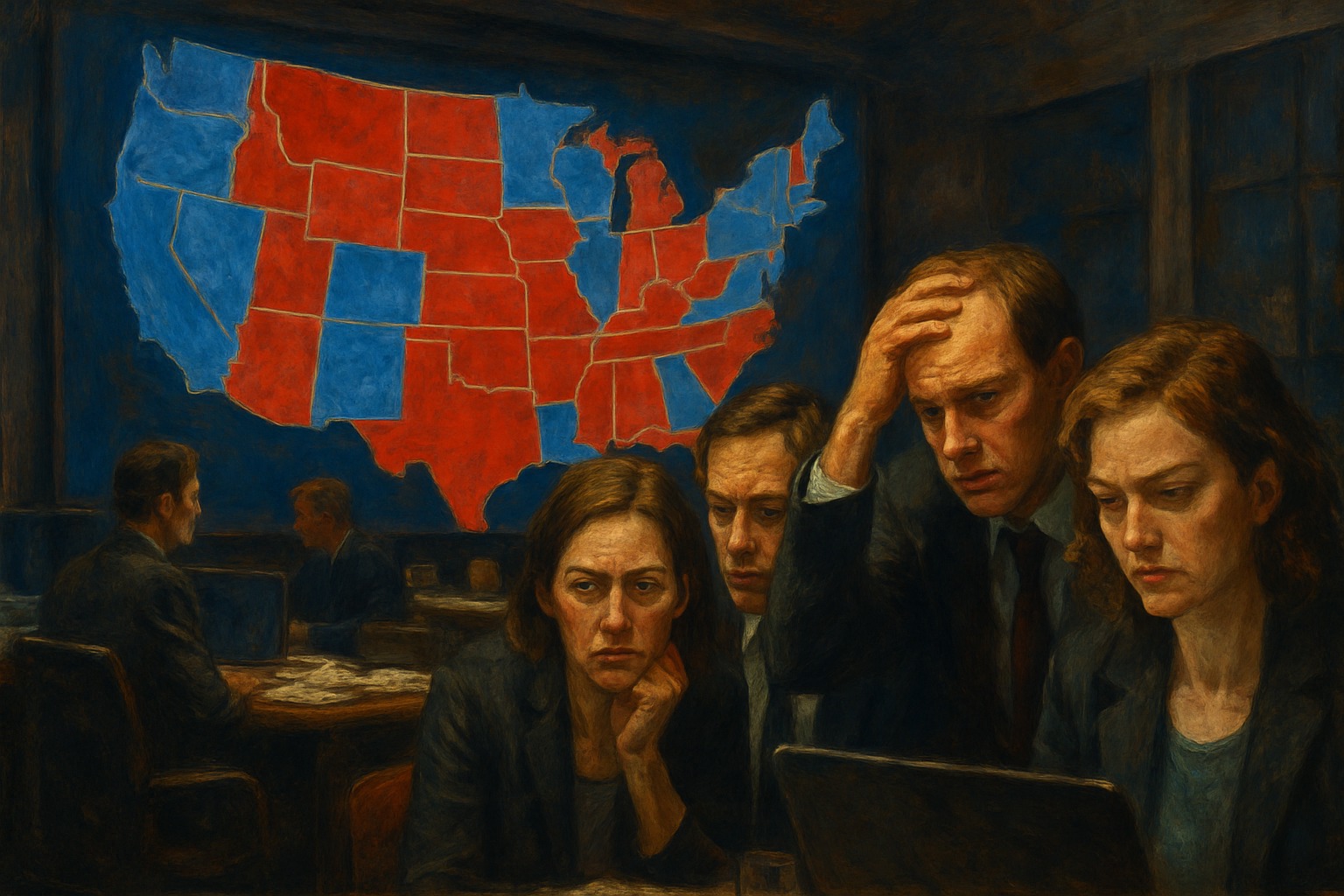
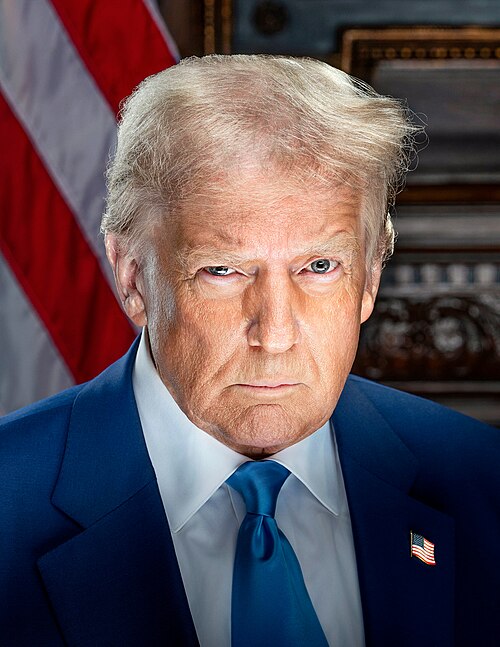
The 2016 election delivered one of the great upsets in American political history. Donald Trump, a real-estate developer and television personality who had never held public office, defeated Hillary Clinton, a former secretary of state, senator, and first lady whom polls had favored throughout the race. Clinton won the national popular vote by nearly three million ballots, but Trump won the Electoral College, 304 to 227.
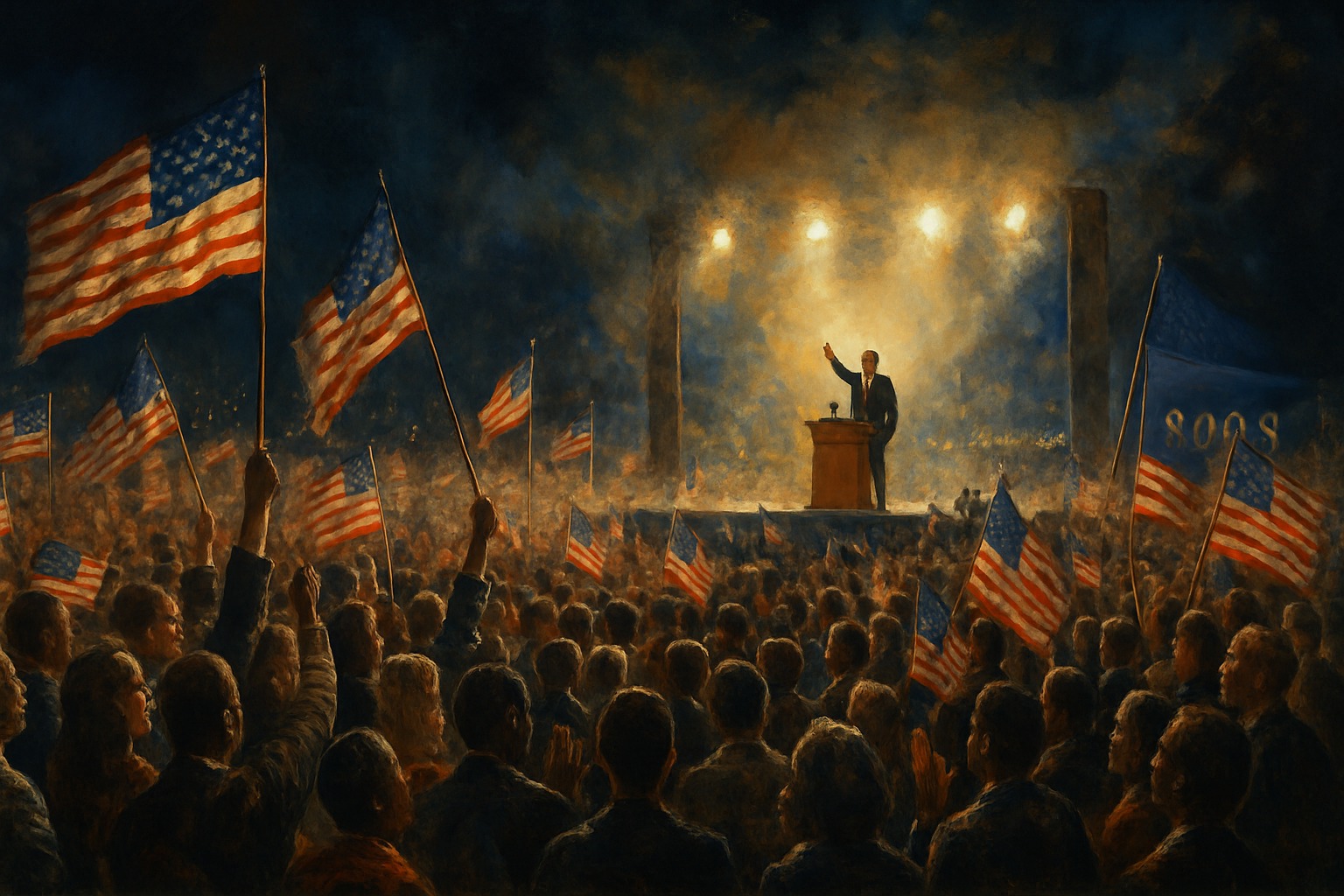
Trump ran an insurgent campaign built on opposition to immigration, free-trade deals, and the political establishment of both parties, capturing a wave of working-class discontent in the industrial Midwest. His narrow victories in Pennsylvania, Michigan, and Wisconsin — states Democrats had carried for decades — provided the margin, exposing a realignment that most analysts had missed.
The campaign was unusually turbulent. Clinton's use of a private email server drew an FBI investigation that resurfaced days before the vote; Russian operatives interfered through hacking and disinformation, later documented by U.S. intelligence agencies; and a string of controversies dogged Trump that earlier candidates might not have survived. The result stunned much of the political and media world.
Trump's win signaled a deeper shift in American politics — a populist, nationalist current that scrambled old coalitions and intensified partisan division. His presidency would prove as norm-breaking as his campaign, and the forces his victory revealed continued to define national politics well beyond his term.
| Date | November 8, 2016 |
| Candidates | Donald Trump (R) def. Hillary Clinton (D) |
| Electoral Vote | 304–227 |
| Popular Vote | Clinton led by ~2.9 million |
| Decisive States | Pennsylvania, Michigan, Wisconsin |
| Controversies | Email probe; Russian interference |
| Date | November 8, 2016 |
| Location | United States |