Eisenhower's Farewell Address
Three days before John F. Kennedy's inauguration, Dwight Eisenhower spoke to the country on television from the Oval Office. He had commanded the largest invasion in history and led the nation through eight years of Cold War, and he used his last address to raise a danger he believed was new in American life. Before the Second World War the United States had no permanent armaments industry. Now it spent more each year on military security than the net income of all its corporations.
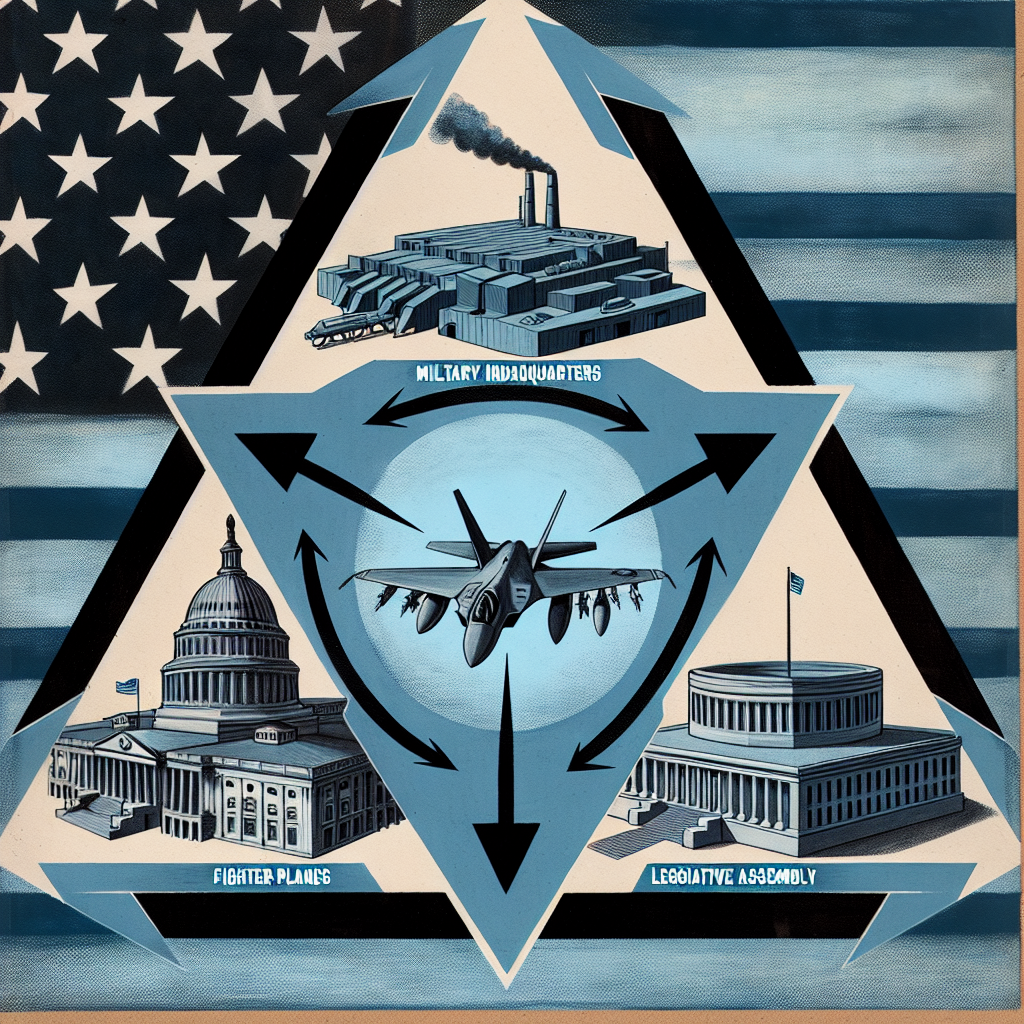
That conjunction of an immense military establishment and a large arms industry, he said, was felt in every city, every statehouse, every office of the federal government. Its total influence, economic, political, and even spiritual, was something the country needed but had to watch. "In the councils of government, we must guard against the acquisition of unwarranted influence, whether sought or unsought, by the military-industrial complex," he warned. "The potential for the disastrous rise of misplaced power exists and will persist."
The address carried a second, less quoted warning. Federal money now dominated university research, and Eisenhower worried that public policy could itself become the captive of a scientific-technological elite. He also cautioned against spending that would mortgage the material assets of grandchildren, and he spoke of disarmament as a continuing imperative.
The speech drew little attention at the time and was quickly overshadowed by Kennedy's inaugural. Its reputation grew with the Vietnam War, when critics on the left took up the phrase, and it has been invoked ever since in arguments over defense budgets and contractors. That the warning came from a five-star general and Republican president, rather than from a critic of the military, is what has given it lasting weight.
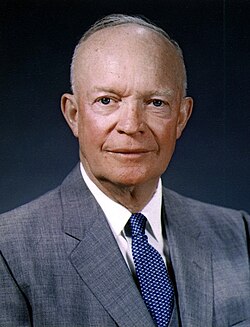

| Speaker | President Dwight D. Eisenhower |
| Date | January 17, 1961 |
| Delivered | Televised from the Oval Office |
| Key phrase | "the military-industrial complex" |
| Second warning | A scientific-technological elite capturing public policy |
| Drafted with | Speechwriters Malcolm Moos and Ralph Williams |
| Date | January 17, 1961 |
| Location | The White House, Washington, D.C. |