United Nations
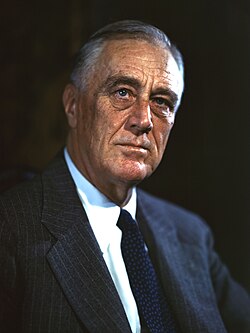
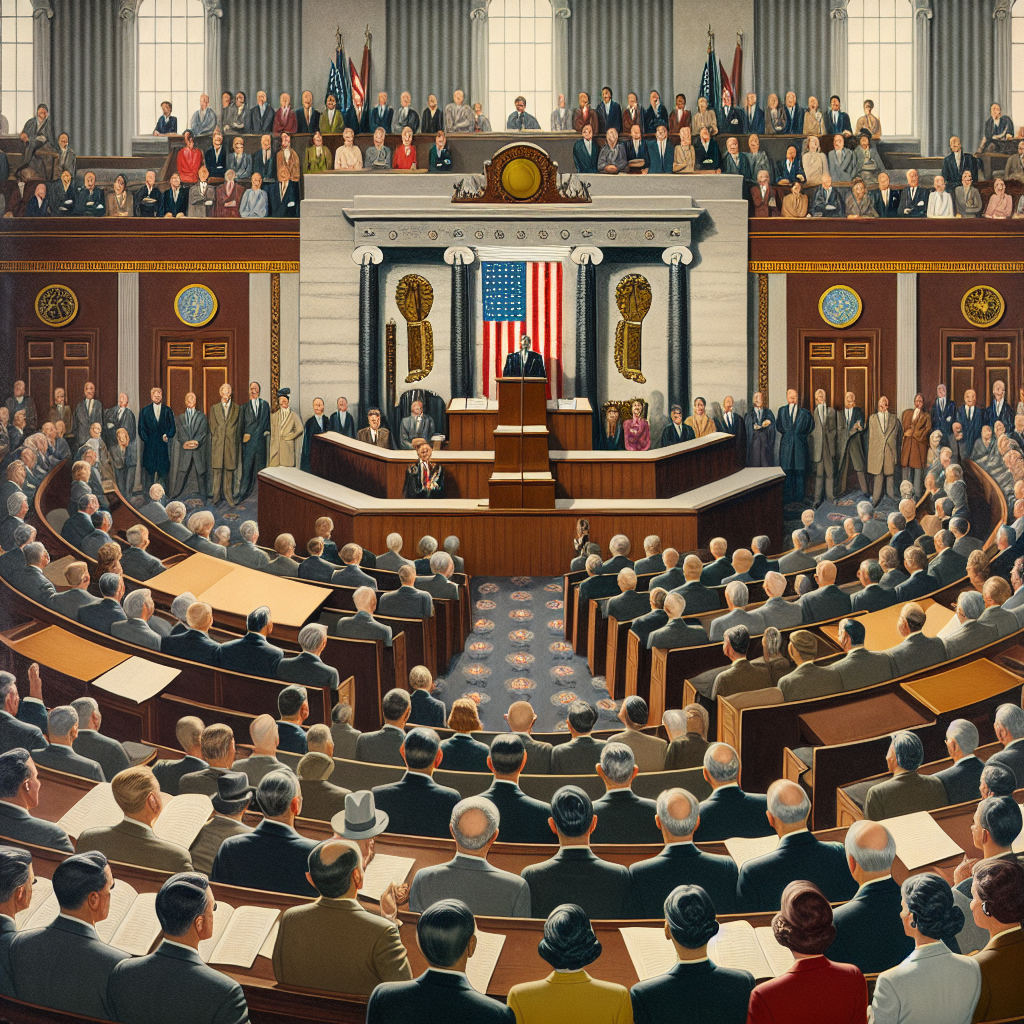
Franklin Roosevelt didn't live to see it signed, but the United Nations was largely his creation. The phrase "United Nations" first appeared in a declaration Roosevelt drafted in January 1942 as a name for the Allied coalition. By 1944, American, British, Soviet, and Chinese officials were designing the institution's structure at Dumbarton Oaks in Washington. The U.N. Charter was signed in San Francisco on June 26, 1945 — six weeks after Roosevelt's death, by 50 nations. The United States was its principal architect, its largest financial contributor, and from the beginning, its most complicated member.
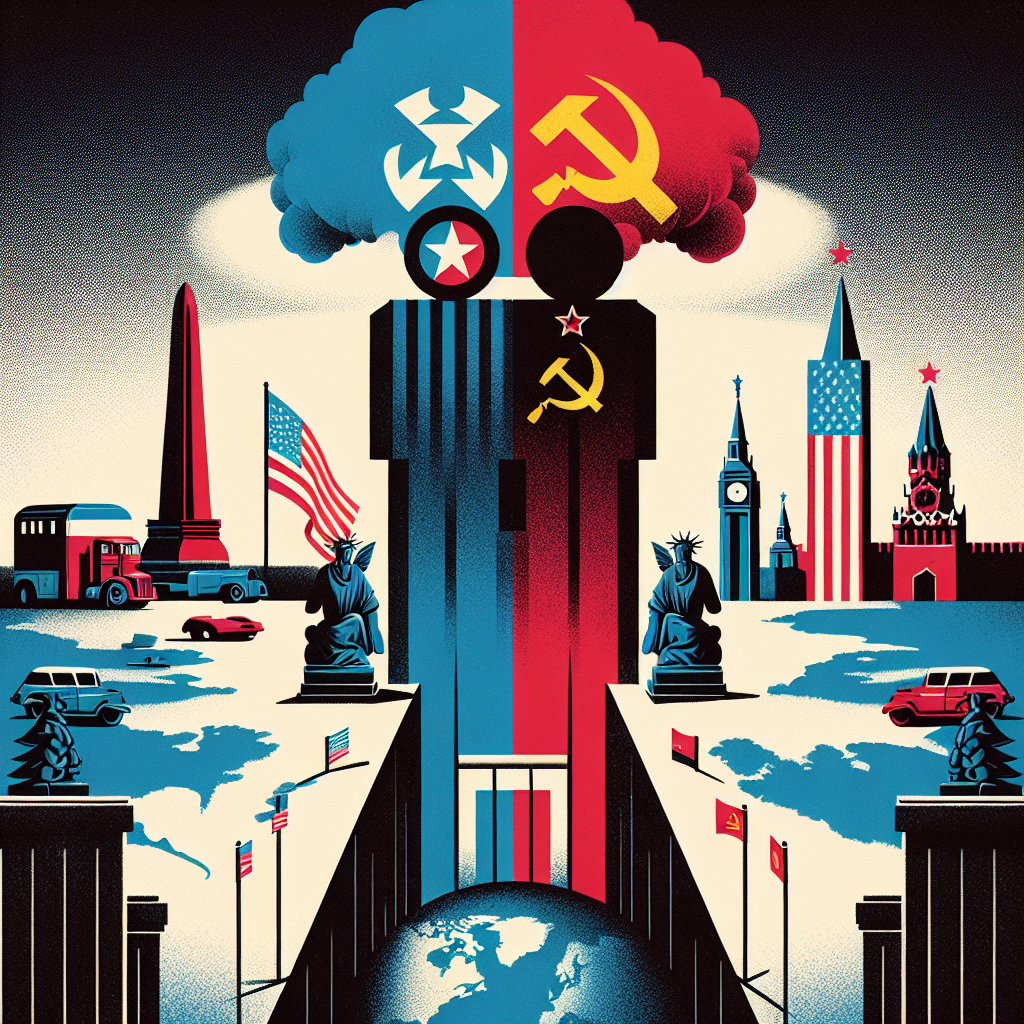
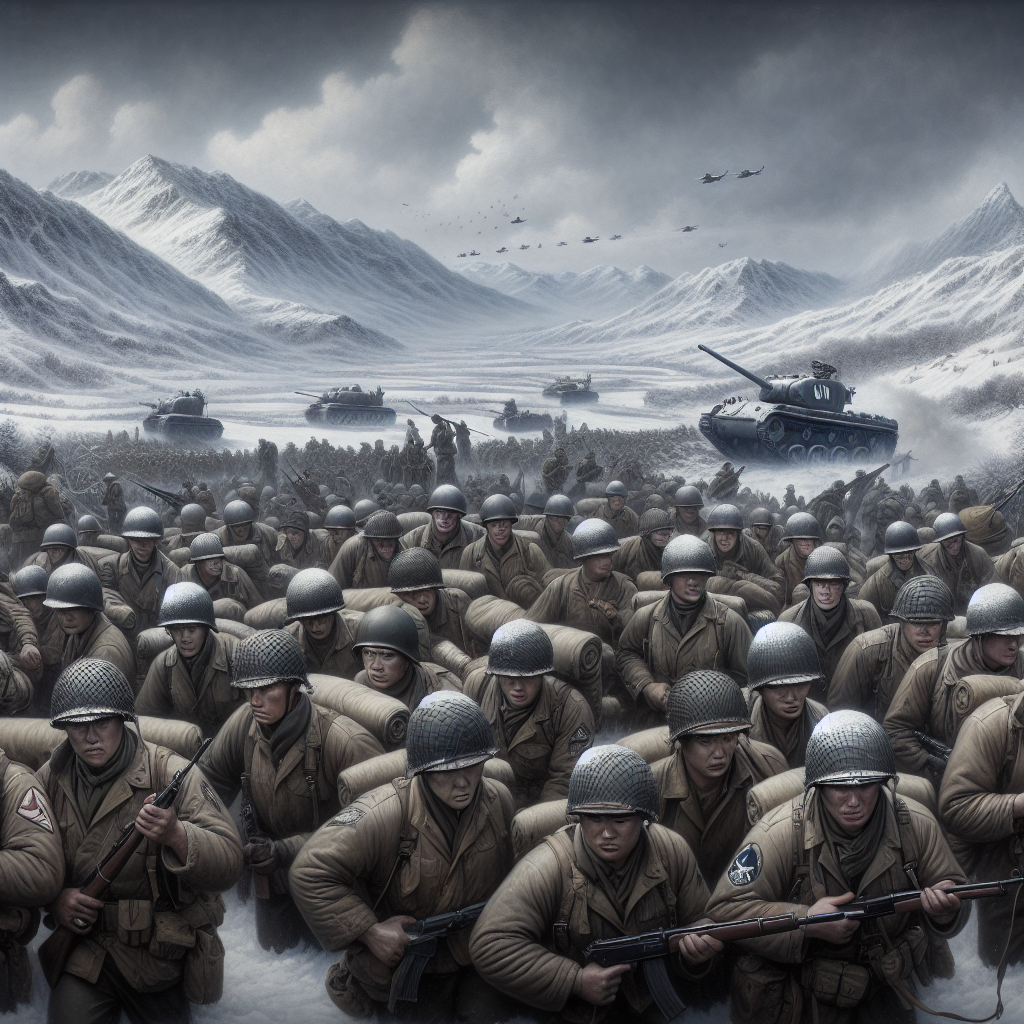
The Security Council structure the U.S. insisted on — five permanent members with veto power — guaranteed that no great power could be outvoted into a war it opposed. It also guaranteed paralysis whenever the great powers disagreed, which during the Cold War was nearly always. The Korean War proceeded under U.N. authorization in 1950 only because the Soviet Union was boycotting the Security Council at the time. American engagement has swung sharply by administration: enthusiastic under Truman and post-Cold War presidents of the 1990s, openly hostile during John Bolton's tenure as U.N. ambassador and Trump's first term, which withdrew from the World Health Organization, UNESCO, and the Human Rights Council.
The tension between American power and American multilateralism has defined the U.N. relationship from the start. The United States has used its Security Council veto more than any other permanent member, often to shield allies from censure. It has also been the institution's indispensable patron: when American engagement falters, U.N. operations struggle; when Washington commits, they gain a legitimacy no other body can confer. The central irony of American foreign policy in the postwar era is that the nation that designed a rules-based international order has repeatedly insisted on its right to stand outside it.
| Charter Signed | June 26, 1945 — San Francisco, California (50 founding nations) |
| U.S. Ratification | August 8, 1945 — Senate voted 89–2 |
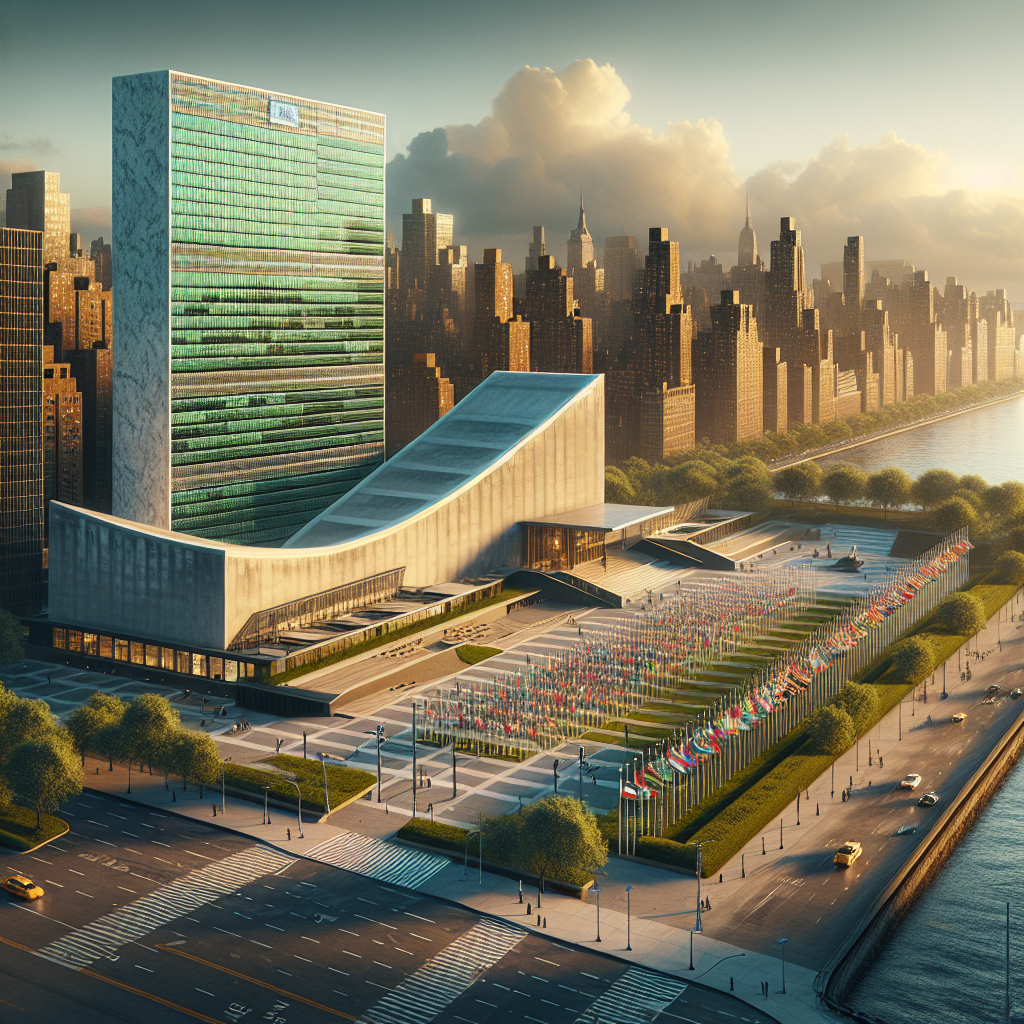
| Headquarters | New York City, New York |
| Security Council | 5 permanent members (U.S., UK, France, Russia, China) each with veto |
| U.S. Dues | Largest single contributor — assessed ~22% of regular budget |
| U.S. Vetoes | More than any other permanent member; frequently used to protect allies |
| Current Members | 193 member states |
| Years | 1945 |
| Location | New York City, New York |