NATO
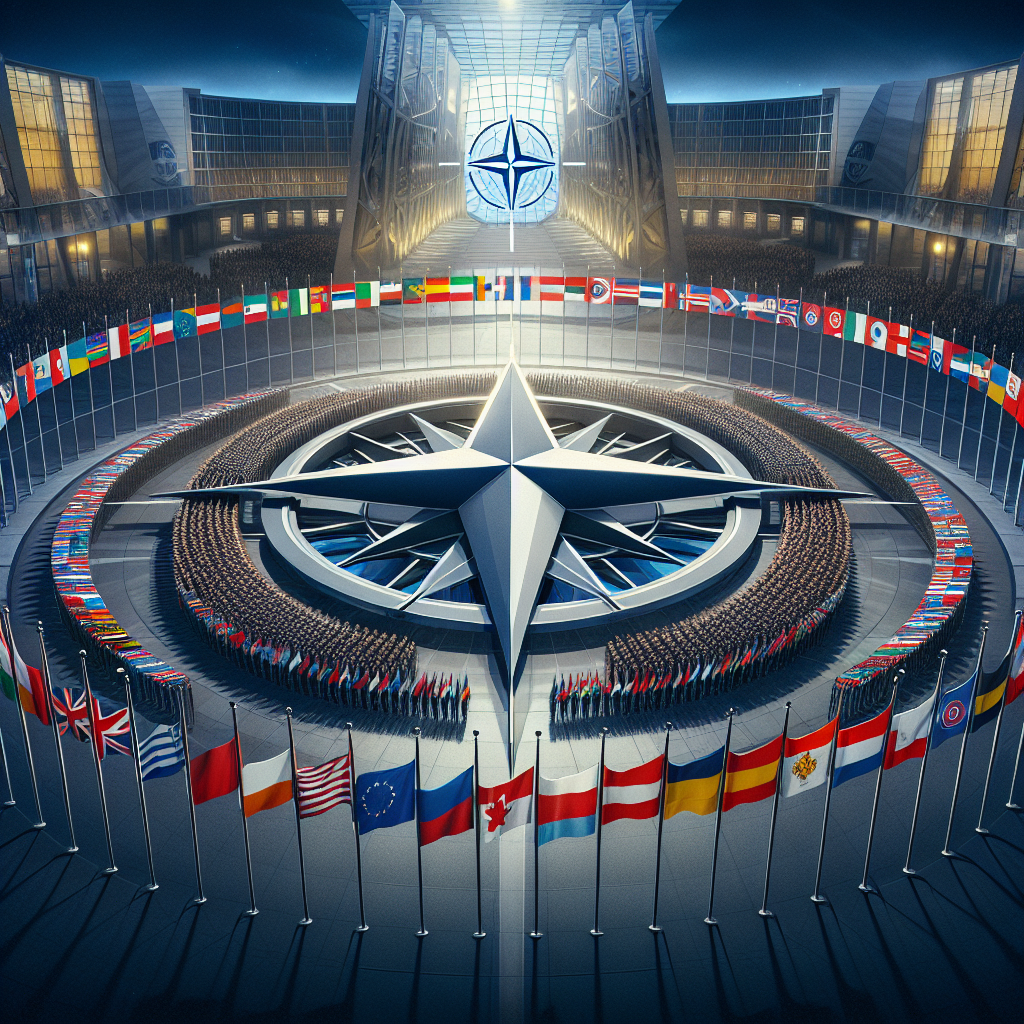
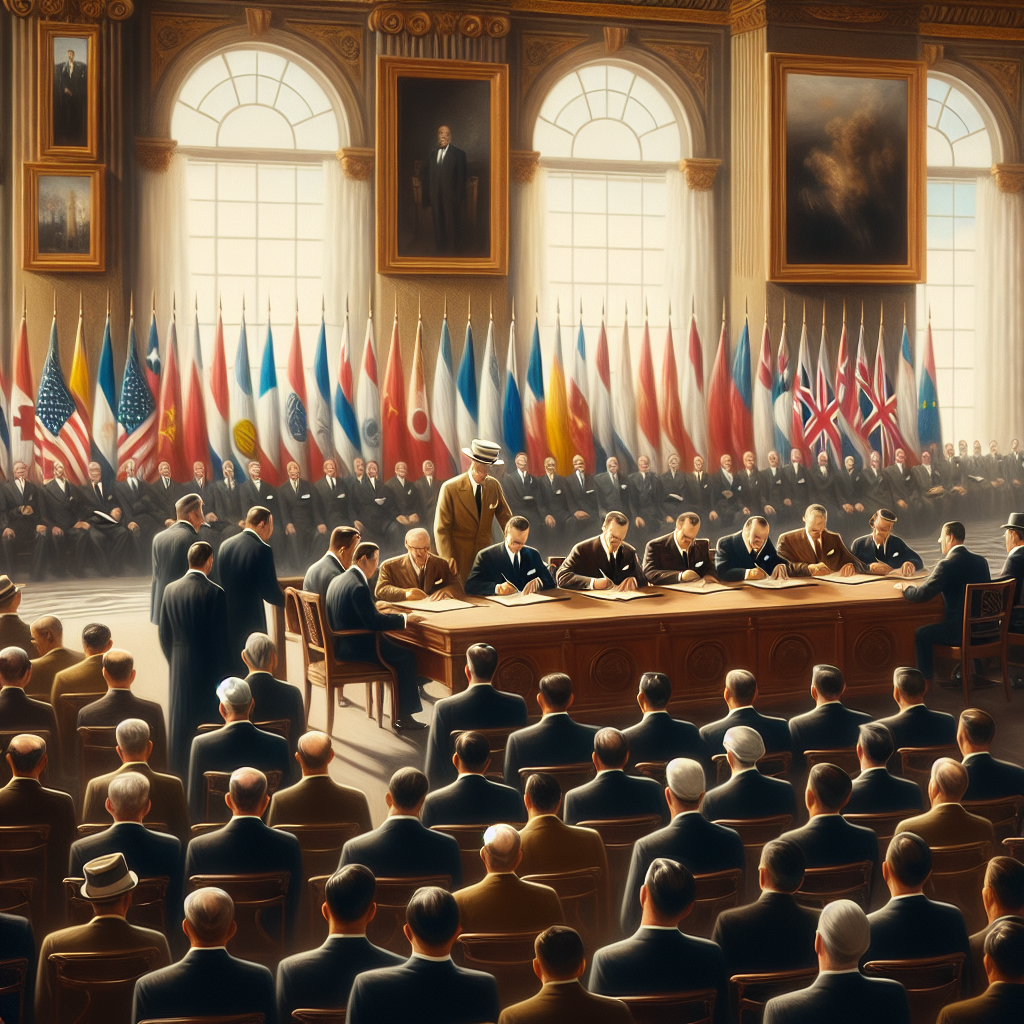
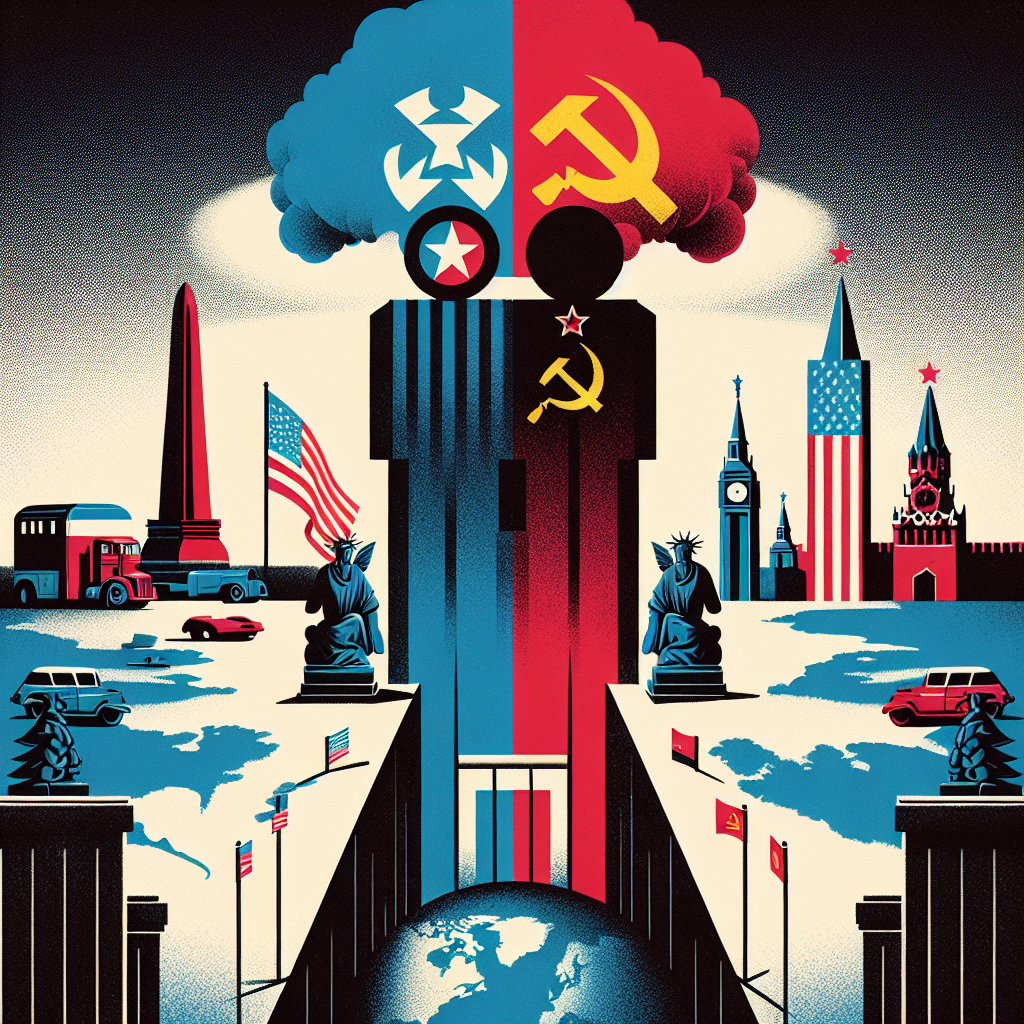
The North Atlantic Treaty Organization came into existence on August 24, 1949, when the North Atlantic Treaty entered into force with 12 founding members. Its mission was specific and urgent: to deter a Soviet military advance into Western Europe by making clear that an attack on any member would be met by all of them. For 40 years, NATO achieved its primary objective without firing a shot in Europe. The Soviet Union never crossed the line it had drawn, and the alliance never had to prove whether its guarantee was real — which, by the logic of deterrence, is the definition of success.
After the Cold War ended, NATO faced an identity crisis it has never fully resolved. With the Soviet threat dissolved, the alliance expanded eastward — admitting Poland, Hungary, and the Czech Republic in 1999, then the Baltic states and others in subsequent rounds — a process Russia viewed as deliberate strategic encirclement and Western members viewed as the sovereign right of free nations. NATO conducted its first combat operations in the Balkans in the 1990s, then invoked Article 5 after September 11 and sent troops to Afghanistan, the farthest it had ever operated from its original theater. The alliance was built for one kind of threat and found itself conducting a different kind of war.
Russia's full-scale invasion of Ukraine in February 2022 gave NATO its clearest renewed purpose in three decades. Though Ukraine was not a member, NATO nations provided the weapons, intelligence, and training that sustained Ukrainian resistance. The invasion prompted Finland and Sweden — historically neutral — to seek membership; both joined, expanding the alliance to 32 nations by 2024. Trump's repeated suggestions in both his presidencies that the United States might not honor Article 5 commitments for allies who didn't meet defense spending targets introduced deliberate uncertainty into a guarantee that had functioned, for 75 years, on the premise that it was absolute.
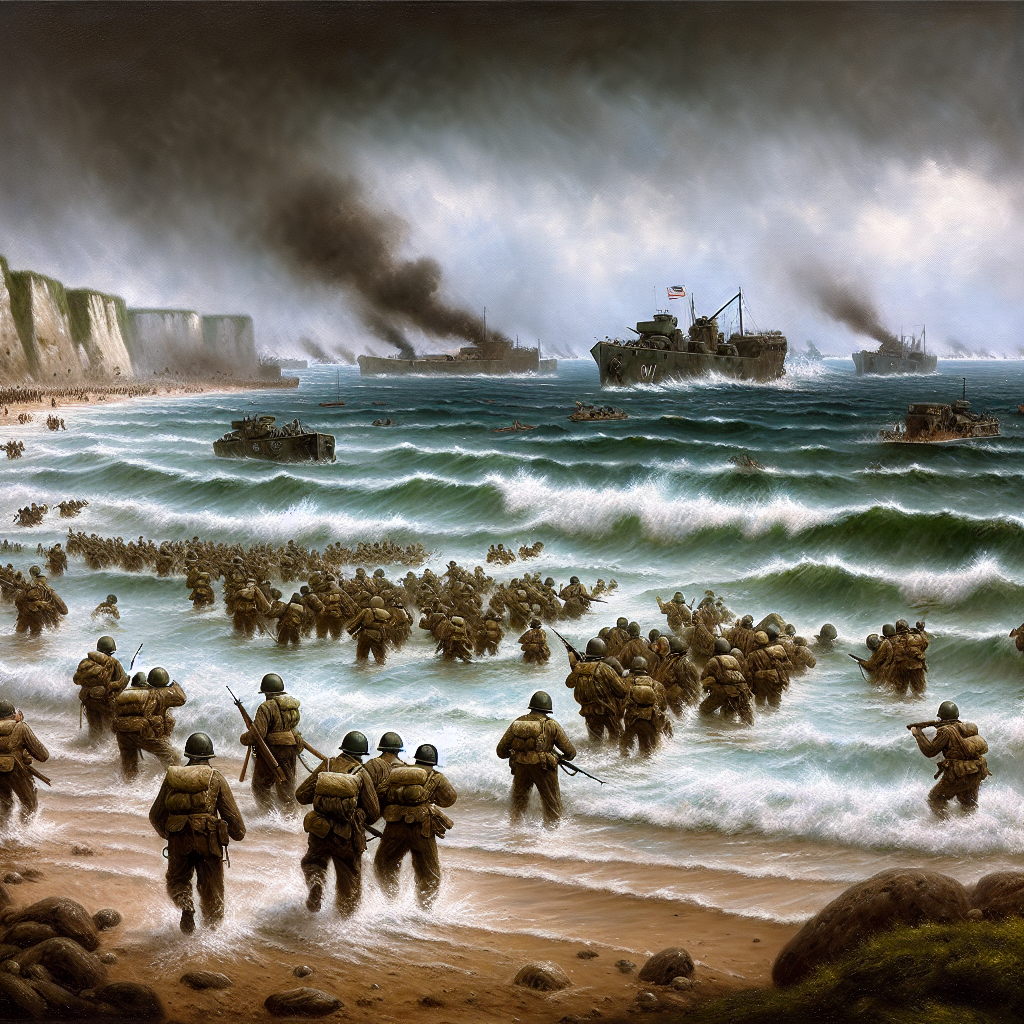


| Founded | August 24, 1949 (treaty entered into force) |
| Founding Members | 12 nations; now 32 (as of Sweden's accession, March 2024) |
| Headquarters | Brussels, Belgium |
| Article 5 | Collective defense — attack on one is attack on all |
| Article 5 Invoked | Once — September 12, 2001, following September 11 attacks |
| Spending Target | 2% of GDP for defense — a standard many members long failed to meet |
| Ukraine War Role | Provided weapons, training, and intelligence to Ukraine (2022–present) |
| Years | 1949 |
| Location | Brussels, Belgium |