U.S.–Iran Military Strikes
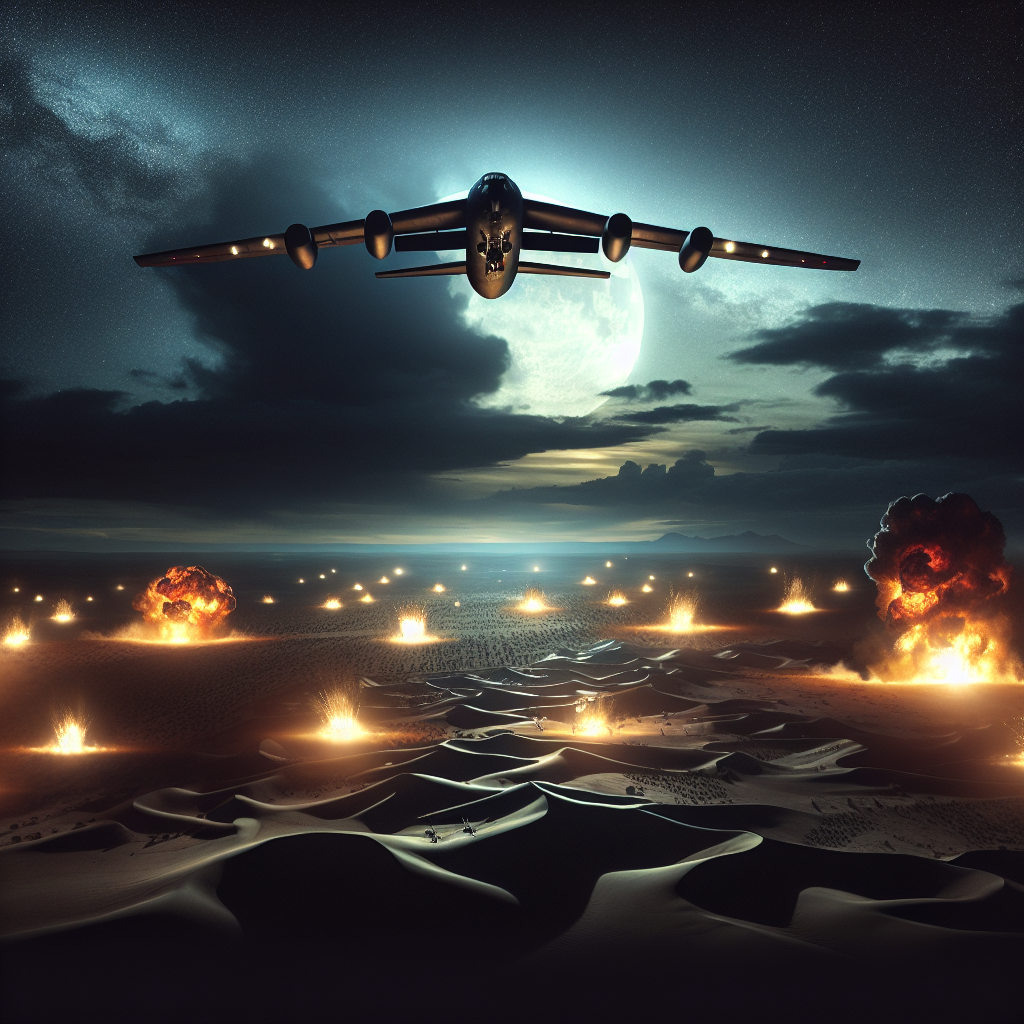
In the predawn hours of January 3, 2020, a U.S. MQ-9 Reaper drone fired missiles at a convoy leaving Baghdad International Airport, killing Qasem Soleimani — commander of Iran's Quds Force, architect of its proxy network across the Middle East, and the most powerful military figure in Iran after Supreme Leader Khamenei. The strike, ordered by President Trump, was the most direct U.S. military action against an Iranian government official since the 1979 Islamic Revolution. Iran had spent decades building influence through proxy forces in Iraq, Syria, Lebanon, and Yemen; Soleimani had been the operational mind behind all of it.
Iran retaliated five days later with ballistic missile strikes on Al-Asad Air Base in western Iraq, where American troops were stationed — the first direct Iranian military attack on U.S. forces since 1988. The missiles caused no deaths but left more than 100 service members with traumatic brain injuries, initially described by Trump as "headaches." The exchange set a new threshold: open military confrontation between the United States and Iran, conducted not through proxies but state to state. The risk of full-scale war — widely predicted after Soleimani's killing — was pulled back from the brink, but not eliminated.
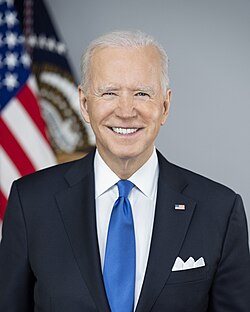
The proxy war continued through the Biden years. After Hamas's October 7, 2023 attack on Israel — backed by Iranian funding and training — Iranian proxy forces escalated strikes on American installations across Iraq, Syria, and Jordan. A January 28, 2024 drone attack at Tower 22 in Jordan killed three U.S. soldiers. The U.S. responded with coordinated strikes on Iranian Revolutionary Guard facilities and militia targets in Iraq, Syria, and Yemen. Iran launched its first direct attack on Israel in April 2024 — more than 300 drones and ballistic missiles — which U.S. forces helped intercept.
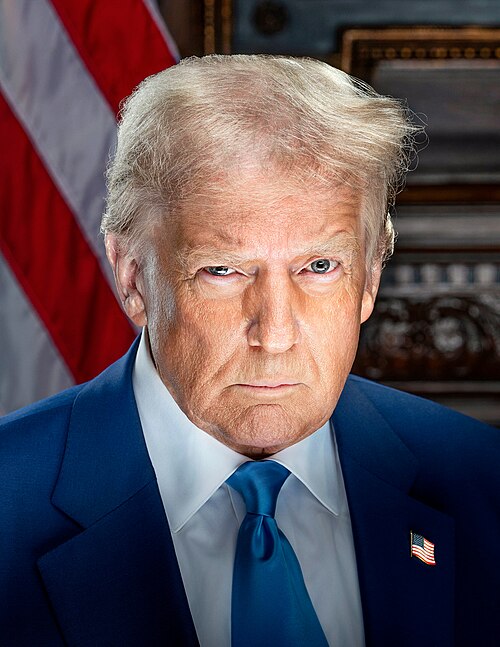
Donald Trump's return to the presidency in January 2025 brought the confrontation to its most consequential point. As Iran's nuclear enrichment reached levels approaching weapons-grade — crossing red lines that years of diplomacy had failed to hold — Trump authorized direct U.S. military strikes against Iranian nuclear facilities in 2025 and 2026. U.S. Air Force and Navy assets targeted enrichment infrastructure at Fordow, Natanz, and Isfahan. The strikes represented the most significant direct U.S. military action against Iran since the two countries' undeclared tanker war of the 1980s, and their long-term effect on Iran's nuclear timeline remained a matter of ongoing intelligence assessment.
| Soleimani Strike | January 3, 2020 — Baghdad International Airport, Iraq |
| Iran Retaliation | January 8, 2020 — Ballistic missiles on Al-Asad Air Base, Iraq |
| Tower 22 | January 28, 2024 — Drone attack kills 3 U.S. soldiers, Jordan |
| Iran's Direct Attack | April 2024 — 300+ drones and missiles launched at Israel |
| U.S. Nuclear Strikes | 2025–2026 — Fordow, Natanz, and Isfahan nuclear sites targeted |
| Ordered By | 2020 strikes: Trump; 2024 strikes: Biden; 2025–2026 strikes: Trump |
| Context | Iran-hostage crisis (1979) began decades of confrontation |
| Date | January 2020 – 2026 |
| Location | Iran / Iraq / Middle East |