Samuel Alito
Associate Justice since 2006 and author of the Dobbs decision that overruled Roe v. Wade
Samuel A. Alito Jr. joined the Supreme Court in 2006 after 15 years as a federal appeals judge. He was born on April 1, 1950, in Trenton, New Jersey, the son of an Italian immigrant father who directed New Jersey's legislative research office and a mother who was a schoolteacher and principal, and he grew up in nearby Hamilton Township. He graduated from Princeton University in 1972 and Yale Law School in 1975, then clerked for Judge Leonard Garth of the U.S. Court of Appeals for the Third Circuit. He went on to work as a federal prosecutor in New Jersey and as a lawyer in the Justice Department in Washington.
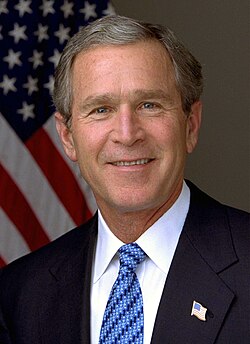
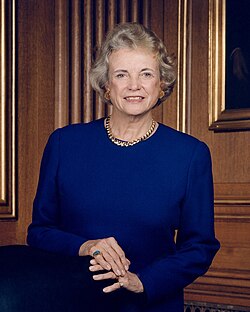
In the Reagan administration Alito argued cases before the Supreme Court as an assistant to the solicitor general and later served in the Justice Department's Office of Legal Counsel. He was U.S. attorney for New Jersey from 1987 to 1990, when President George H. W. Bush appointed him to the Third Circuit. In 2005 President George W. Bush nominated him to replace Sandra Day O'Connor, the first woman on the Court, after an earlier nominee, Harriet Miers, withdrew. Because O'Connor had often cast the deciding vote in close cases, the nomination drew wide attention, and his hearings focused heavily on abortion and executive power. After Democrats failed to sustain a filibuster, the Senate confirmed Alito 58 to 42 on January 31, 2006, and he took his seat the same day.
Alito is part of the Court's conservative majority and is known for detailed opinions grounded in history and statutory text. He wrote the majority opinion in Dobbs v. Jackson Women's Health Organization (2022), which overruled Roe v. Wade and Planned Parenthood v. Casey and returned the regulation of abortion to the states. He also wrote Burwell v. Hobby Lobby Stores (2014), which allowed closely held companies with religious objections to opt out of a federal contraceptive coverage requirement, and Janus v. AFSCME (2018), which barred public-sector unions from collecting fees from workers who are not members. He dissented in Obergefell v. Hodges (2015) and in Bostock v. Clayton County (2020).
Related entries
Featured in these guides
Across the Brief network
People in this entry, on BriefPeople