William Clark
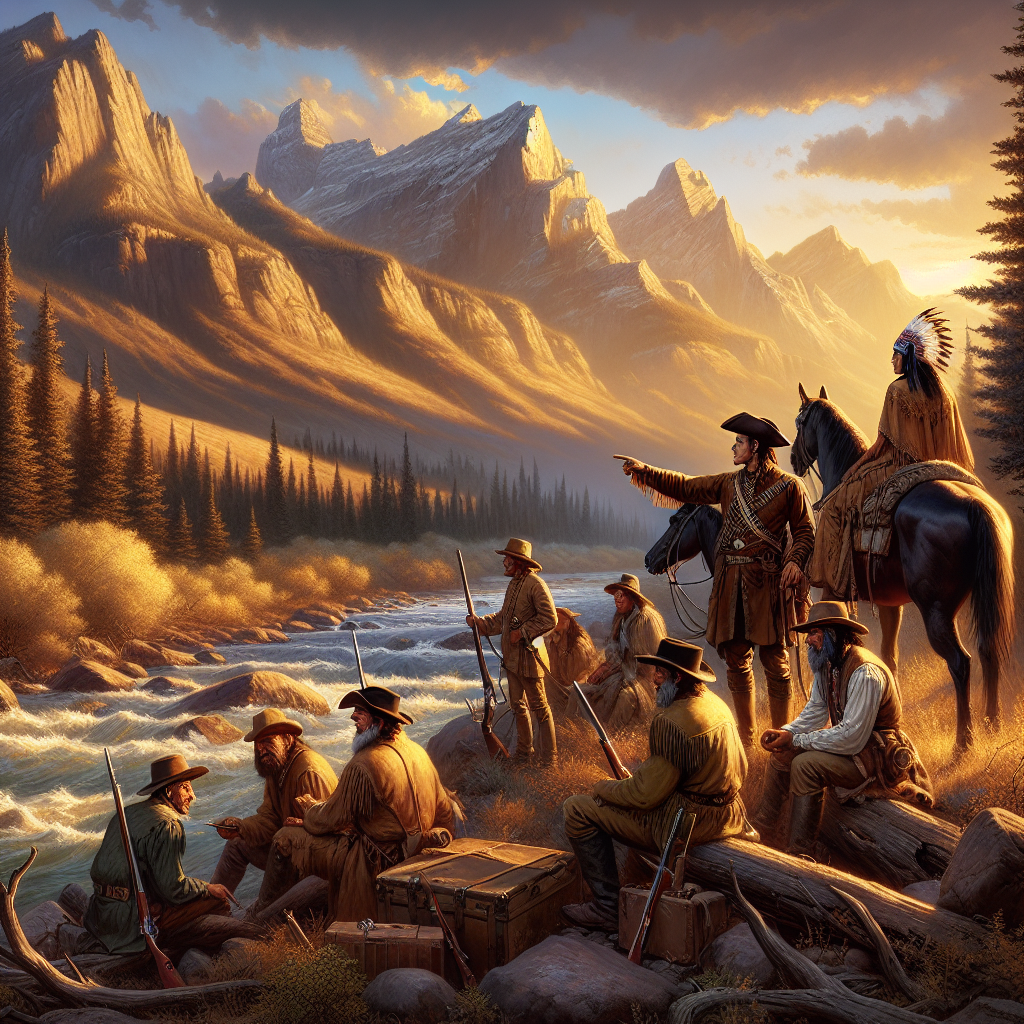
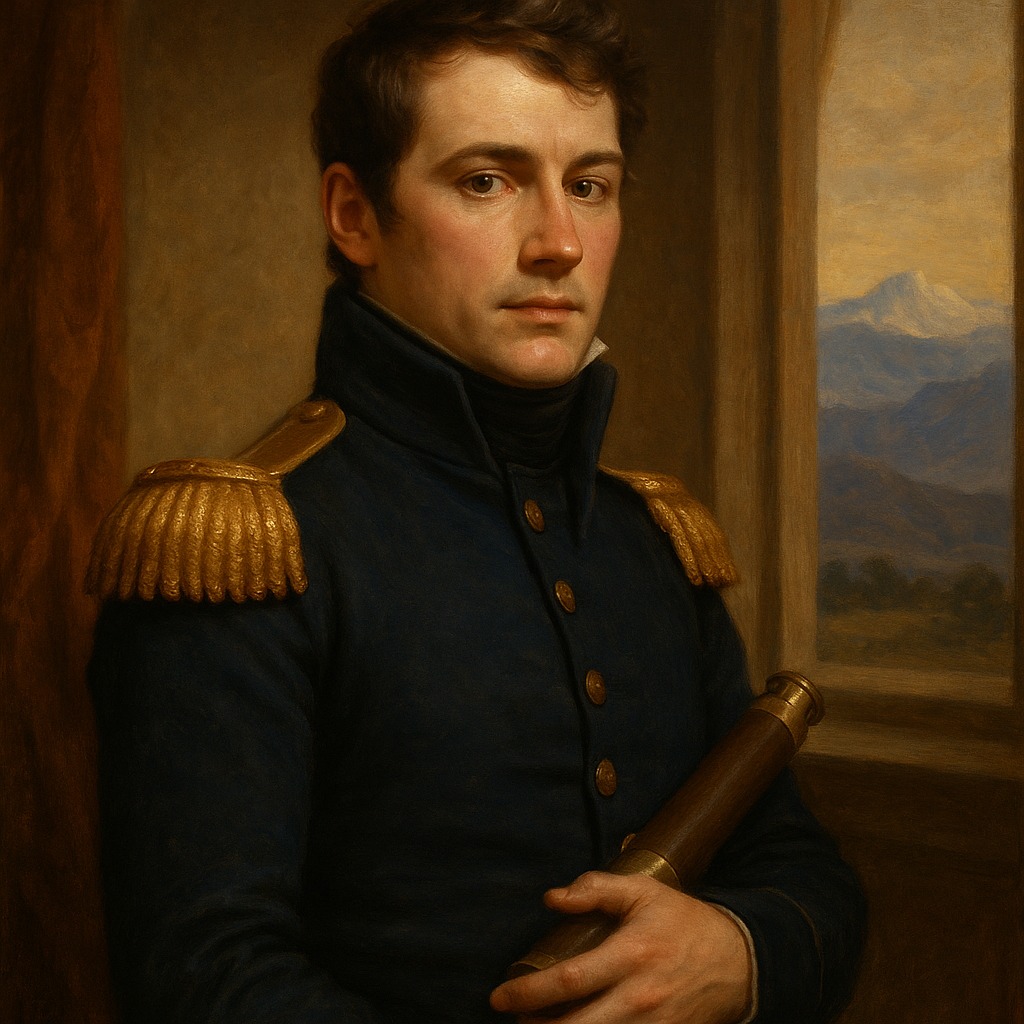
William Clark was a 33-year-old frontier militia veteran when his old army friend Meriwether Lewis invited him to share command of the Corps of Discovery — an unusual arrangement, since Clark's formal commission from the War Department only ever made him a lieutenant, even as the two men treated each other as equal captains throughout the expedition and the journals that survive it. Clark handled much of the party's cartography and river navigation, producing maps of the Missouri and Columbia river systems that remained the standard reference for the American West for a generation.
After the expedition returned in 1806, Clark settled in St. Louis and took on a role that defined the rest of his career far more than exploring did: he became the federal government's chief Indian agent for the territory, and in 1822 superintendent of Indian Affairs, a post he held for nearly 16 years. In that role he negotiated dozens of treaties and land cessions with the same Native nations the expedition had depended on for survival, administering a policy of removal and relocation that steadily narrowed tribal land in Missouri and the surrounding territories even as Clark personally maintained friendly relations with individual Native leaders.
Clark also took in York, the enslaved man who had served as his personal manservant throughout the entire Lewis and Clark expedition, performing the same labor and risks as every other member of the party without wages or freedom; Clark did not emancipate him until roughly a decade after the expedition ended. Clark died in St. Louis in 1838, the city's most prominent surviving link to the expedition that had made his name.
| Born | August 1, 1770 — Caroline County, Virginia |
| Died | September 1, 1838 — St. Louis, Missouri |
| Role | Co-commander, Corps of Discovery |
| Later post | Superintendent of Indian Affairs, St. Louis, 1822–1838 |
| Known for | Cartography of the Missouri and Columbia river systems |
| Enslaved manservant | York, who served throughout the expedition; freed c. 1816 |
| Date | August 1, 1770 – September 1, 1838 |
| Location | St. Louis, Missouri |