Jedediah Smith
Jedediah Smith signed on with a St. Louis fur-trading company in 1822 at 23 years old and spent the following decade covering more unmapped Western ground than almost any American before him. Trapping beaver for the Rocky Mountain Fur Company, Smith helped rediscover South Pass through the Rockies in Wyoming, a low, wagon-passable route that later became the backbone of the Oregon and California Trails, and in 1826 he led a small party south and west across the Great Basin desert into California, the first documented overland crossing by an American.
Smith then did something no American had managed before: in 1827 he crossed the Sierra Nevada mountains eastbound in deep spring snow, traversed the Great Basin a second time, and survived a devastating Mojave Desert crossing on a return trip that killed several of his men and nearly killed him, all within the space of about two years. His journals and crude maps, never properly published in his lifetime, fed directly into the geographic knowledge that later expeditions, including John C. Frémont's, relied on to chart the West more formally.
Smith left the fur trade in 1830 with enough money to retire comfortably, but he could not stay off the trail. In May 1831, guiding a trading caravan along the Santa Fe Trail, he rode ahead alone to search for water near the Cimarron River and was killed by a Comanche raiding party, his body never recovered. He was 32, already a legend among mountain men for surviving a grizzly bear attack years earlier that had torn off part of his scalp and ear.
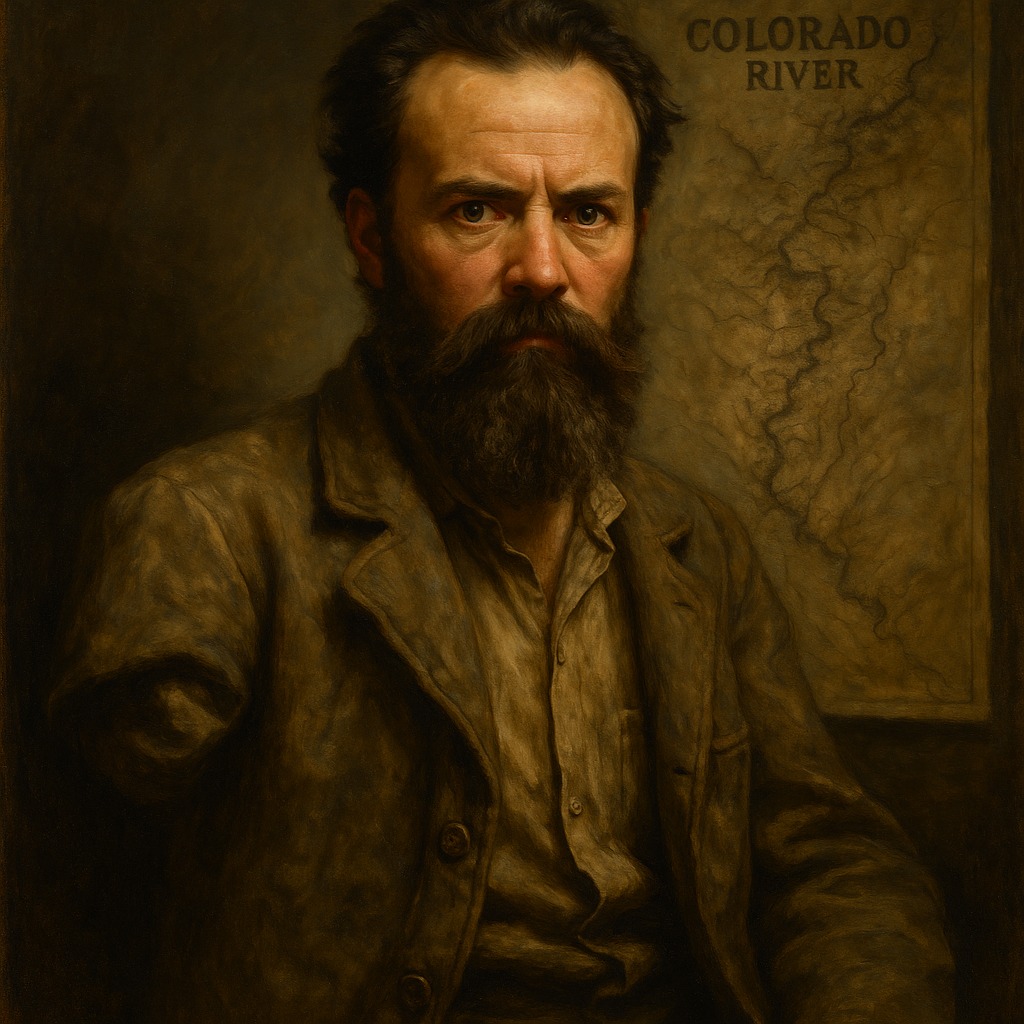
| Born | January 6, 1799 — Bainbridge, New York |
| Died | May 27, 1831 — near the Cimarron River, Santa Fe Trail |
| Role | Mountain man, fur trapper for the Rocky Mountain Fur Company |
| First to | Cross overland into California and back across the Sierra Nevada |
| Helped rediscover | South Pass through the Rocky Mountains, 1824 |
| Killed by | Comanche raiding party |
| Date | January 6, 1799 – May 27, 1831 |
| Location | Cimarron River, near present-day Ulysses, Kansas |