NBC
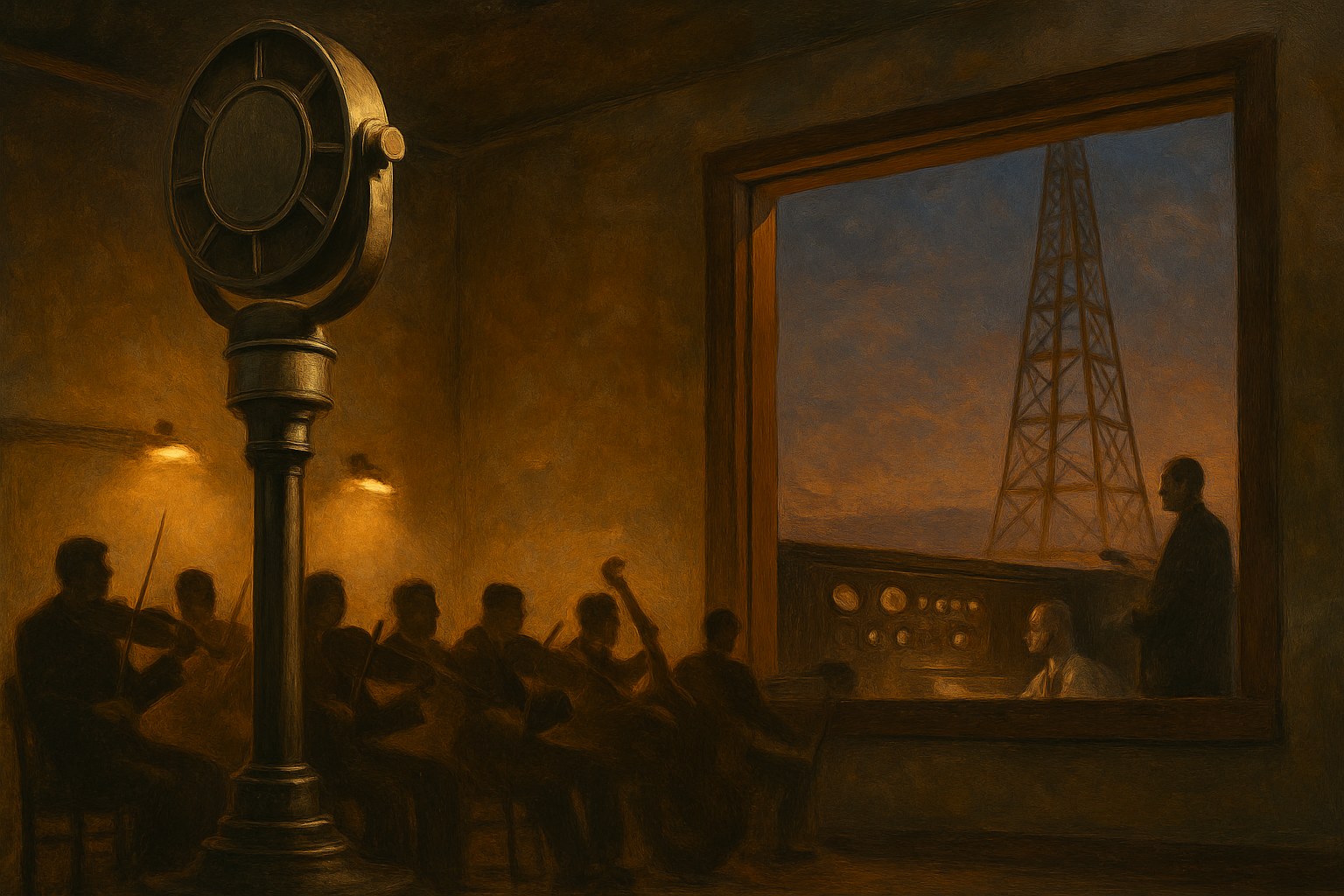
By the mid-1920s hundreds of American radio stations were broadcasting to a few million receivers, and almost none of them could afford to make anything worth hearing. The Radio Corporation of America, which manufactured the sets and held the patents, had an obvious interest in solving that. In 1926 RCA created the National Broadcasting Company to supply programming to affiliated stations over leased telephone lines, and on November 15 it opened with a four-hour gala carried coast to coast. It was the first permanent national network in the United States.
David Sarnoff, the Russian-born RCA executive who drove the venture and later ran the company, understood that the receiver business depended on there being something to receive. NBC ran two chains, distinguished by the colored pencil lines used to map them — the Red network, which carried the entertainment and the sponsors, and the Blue network, which took news, public affairs, and the programs nobody would pay for. Between them they took the largest share of American listening through the 1930s.
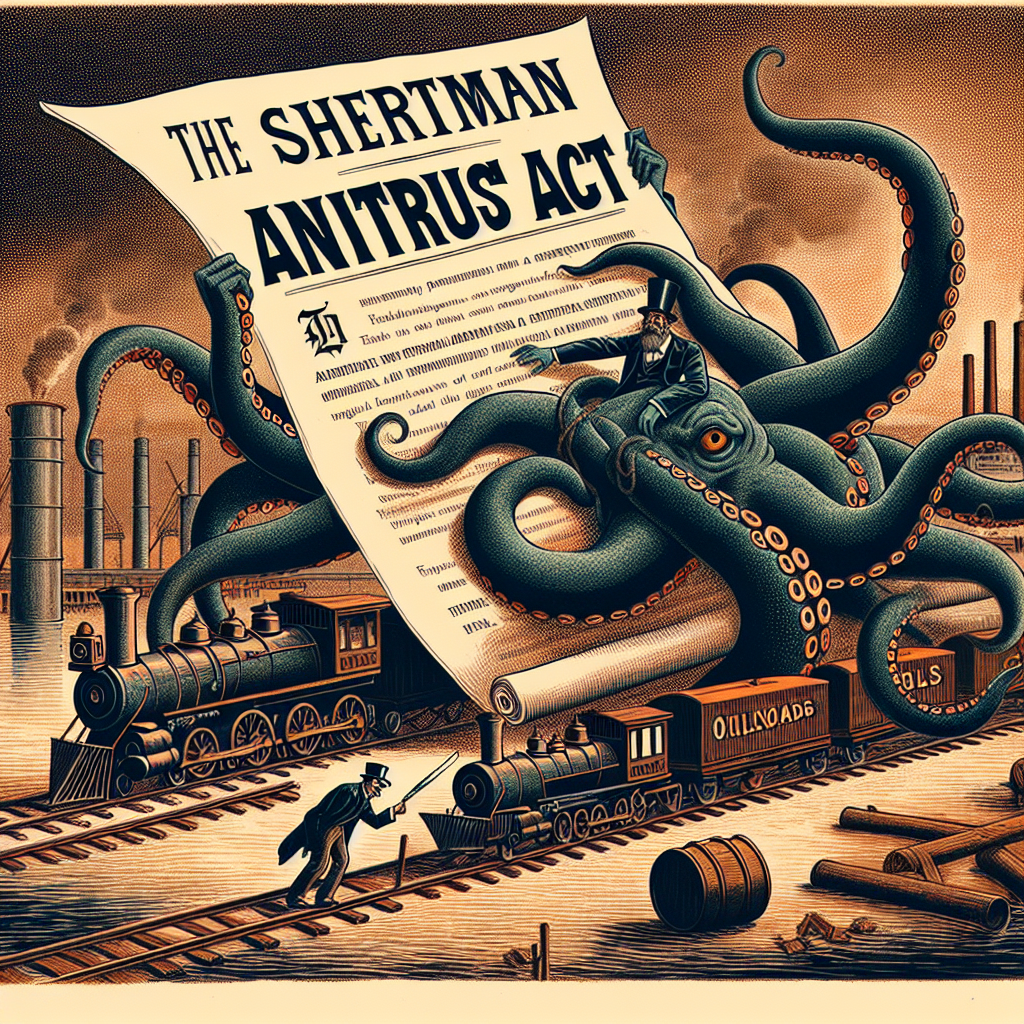
That dominance drew the government. The Federal Communications Commission issued chain broadcasting rules in 1941 barring a single company from operating two networks, RCA fought them to the Supreme Court and lost in NBC v. United States in 1943, and it sold the Blue network that year to the candy manufacturer Edward Noble. Renamed in 1945, it became the American Broadcasting Company — an antitrust remedy that created the third of the three networks that divided American television for the next forty years.
NBC then invented two formats that outlasted almost everything else on the schedule. Sylvester Weaver launched Today in 1952, a morning program mixing news, weather, and conversation that assumed viewers were getting dressed rather than sitting still, and Tonight in 1954, which made the late-night talk show a permanent American institution. Backed by RCA's push into color television, the network shaped the daily rhythm of broadcast — a form so durable that its imitators still structure morning and late-night programming.
| Founded | November 15, 1926, by RCA |
| Driver | David Sarnoff of RCA |
| Chains | The Red and Blue networks |
| Antitrust | NBC v. United States (1943) forced sale of Blue |
| Result | Blue became ABC in 1945 |
| Formats | Today (1952) and Tonight (1954) |
| Date | Founded 1926 |
| Location | New York City |