The Paris Climate Agreement
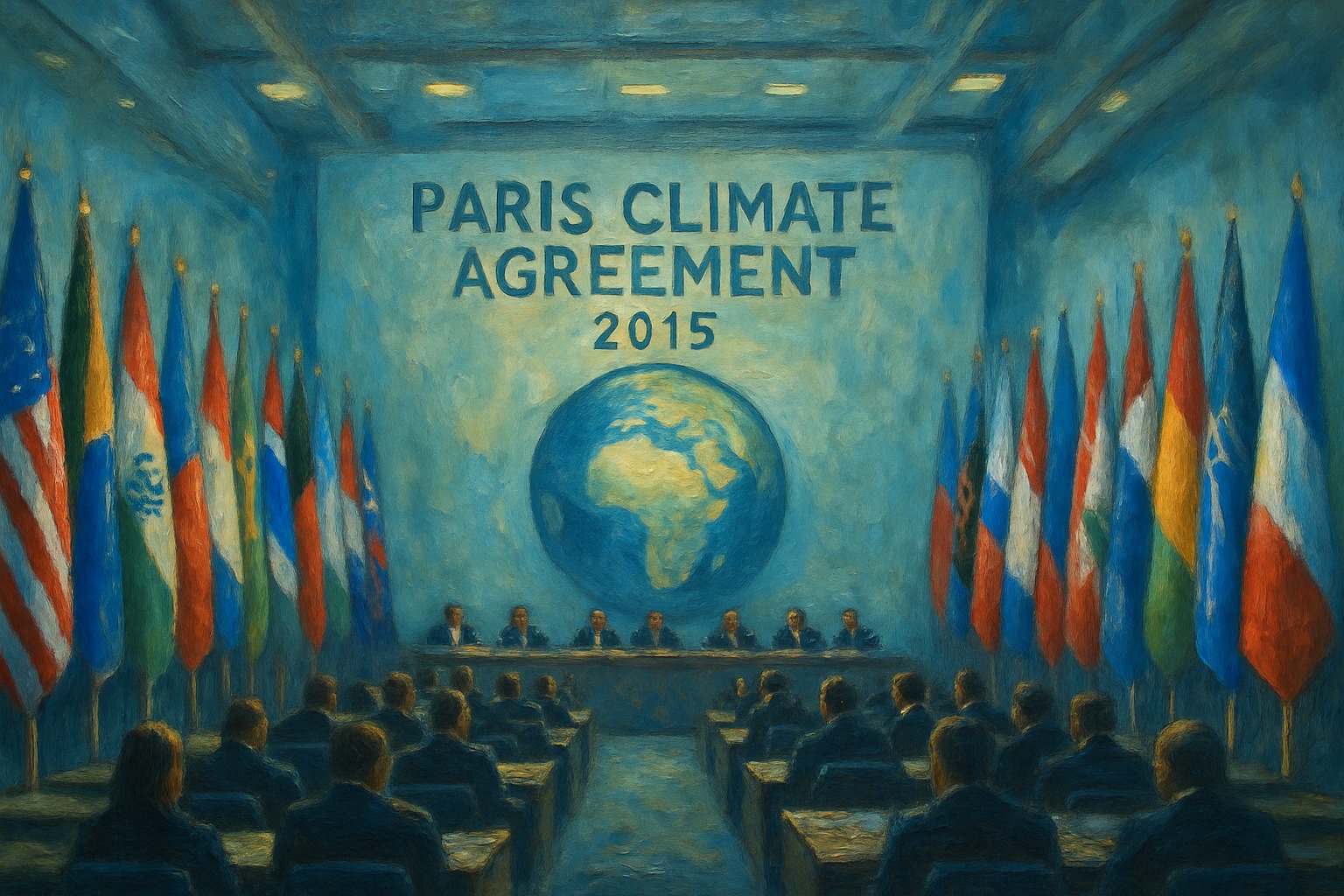
In December 2015, nearly 200 nations meeting in Paris adopted a landmark agreement to combat climate change, committing for the first time to a near-universal effort to limit global warming. The pact set a goal of holding the rise in global average temperature to well below 2 degrees Celsius above pre-industrial levels, and ideally to 1.5 degrees, with each country setting its own voluntary emissions-reduction targets.
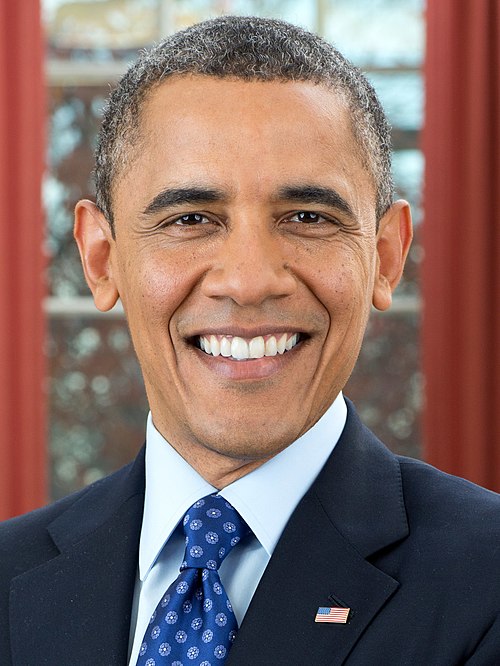
The United States, then the world's largest historical emitter of greenhouse gases, was central to the deal. President Barack Obama treated it as a signature achievement of his second term, and American diplomacy helped broker the compromise — particularly a joint understanding with China — that made a global consensus possible. Because the targets were non-binding, the administration was able to join without ratification by the Senate.
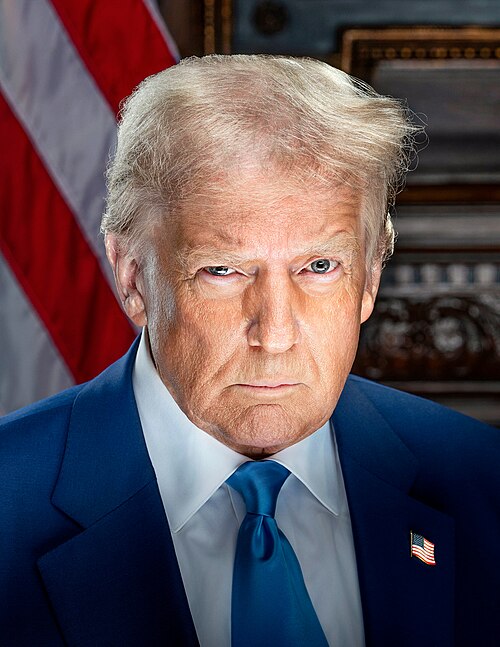
That flexibility also made American participation politically fragile. In 2017, President Donald Trump announced that the United States would withdraw from the agreement, calling it unfair to American workers and industry; the withdrawal formally took effect in 2020. President Joe Biden rejoined the pact on his first day in office in 2021, leaving the country's long-term commitment uncertain and subject to shifting administrations.
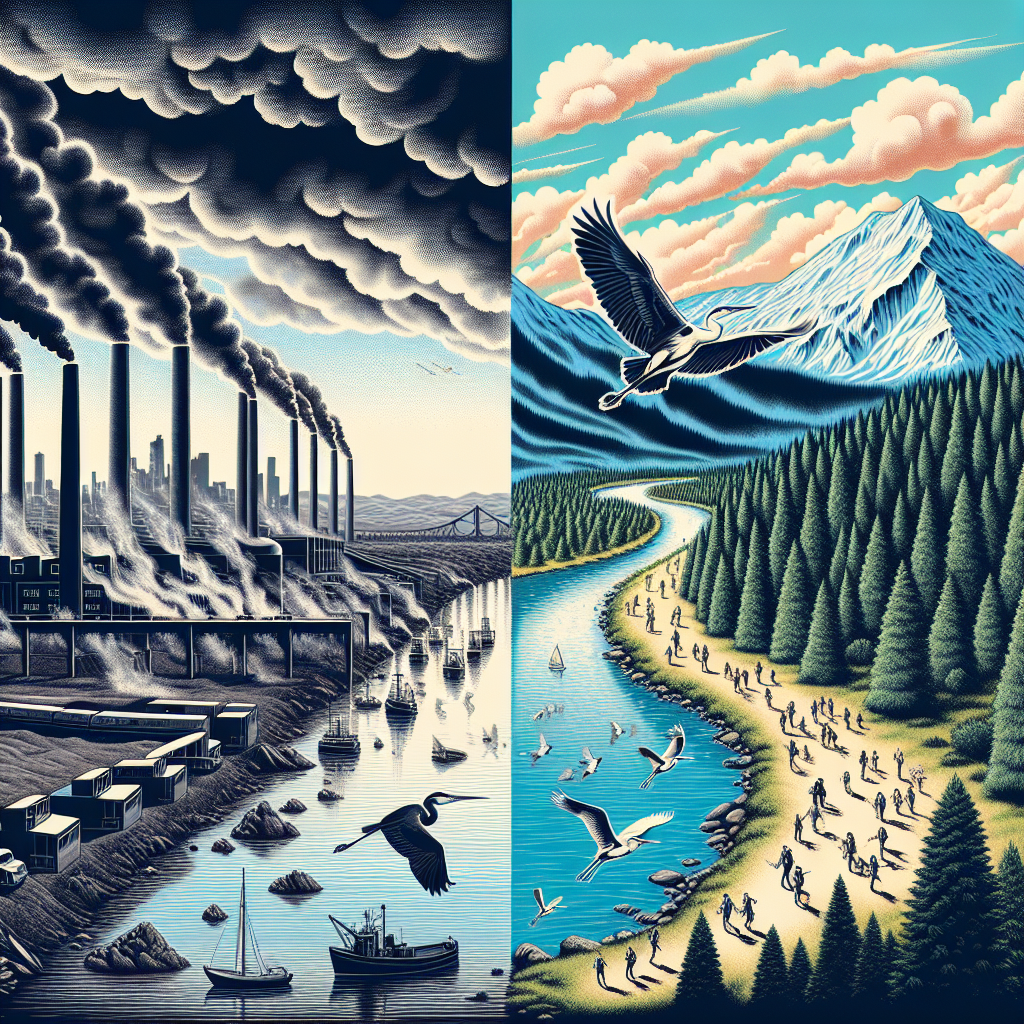
The agreement marked a turning point in global climate diplomacy, establishing a framework that nearly every nation accepted in principle. Whether its voluntary pledges can deliver the emissions cuts scientists say are needed remains an open and pressing question, and the on-again, off-again American role has been a recurring source of doubt about the world's ability to follow through.
| Adopted | December 12, 2015 |
| Parties | Nearly 200 nations |
| Goal | Limit warming to well below 2°C (ideally 1.5°C) |
| Mechanism | Voluntary national emissions targets |
| U.S. Role | Joined 2016; withdrew 2020; rejoined 2021 |
| Significance | Near-universal climate framework |
| Date | Adopted December 12, 2015 |
| Location | Paris, France |