Occupy Wall Street
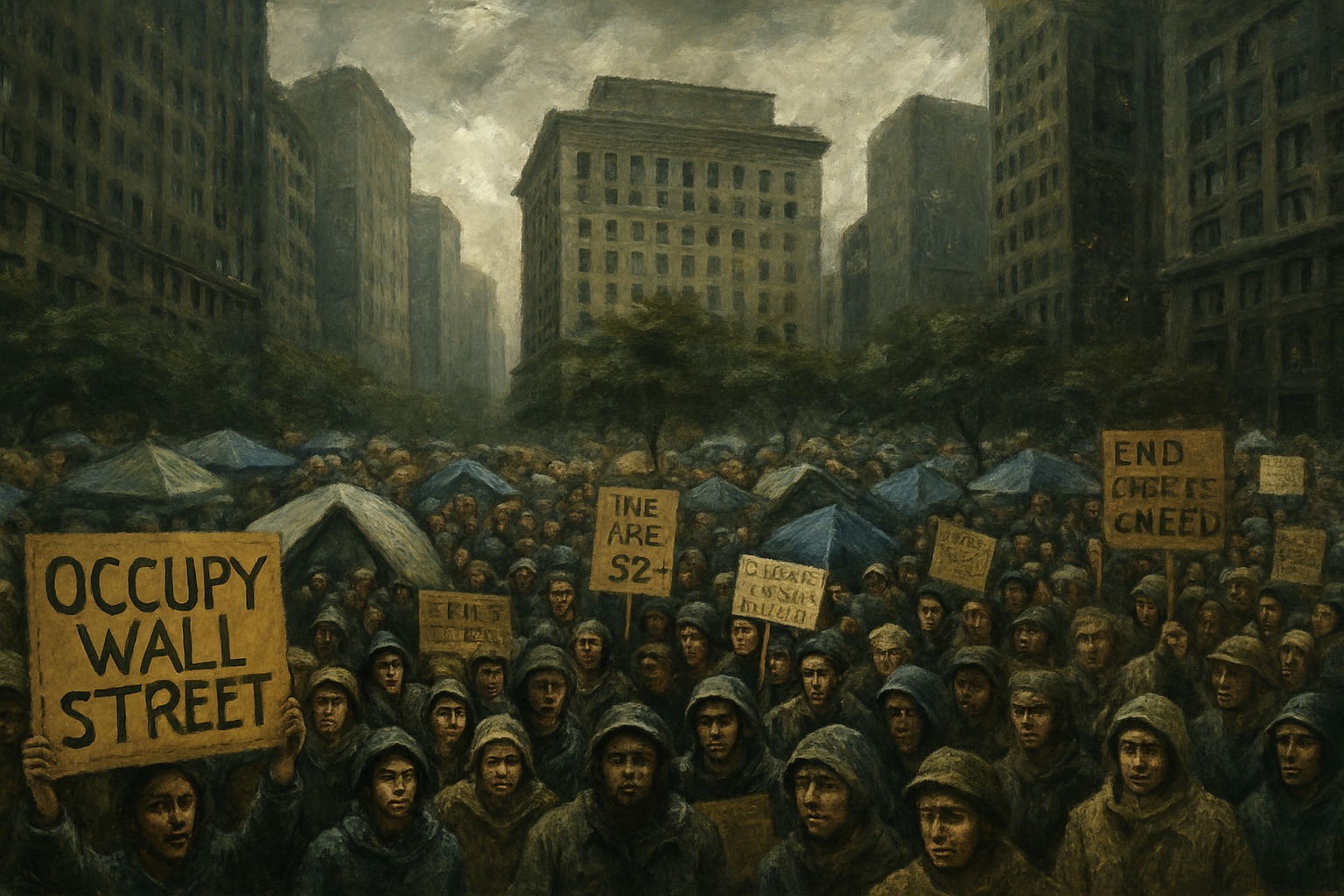
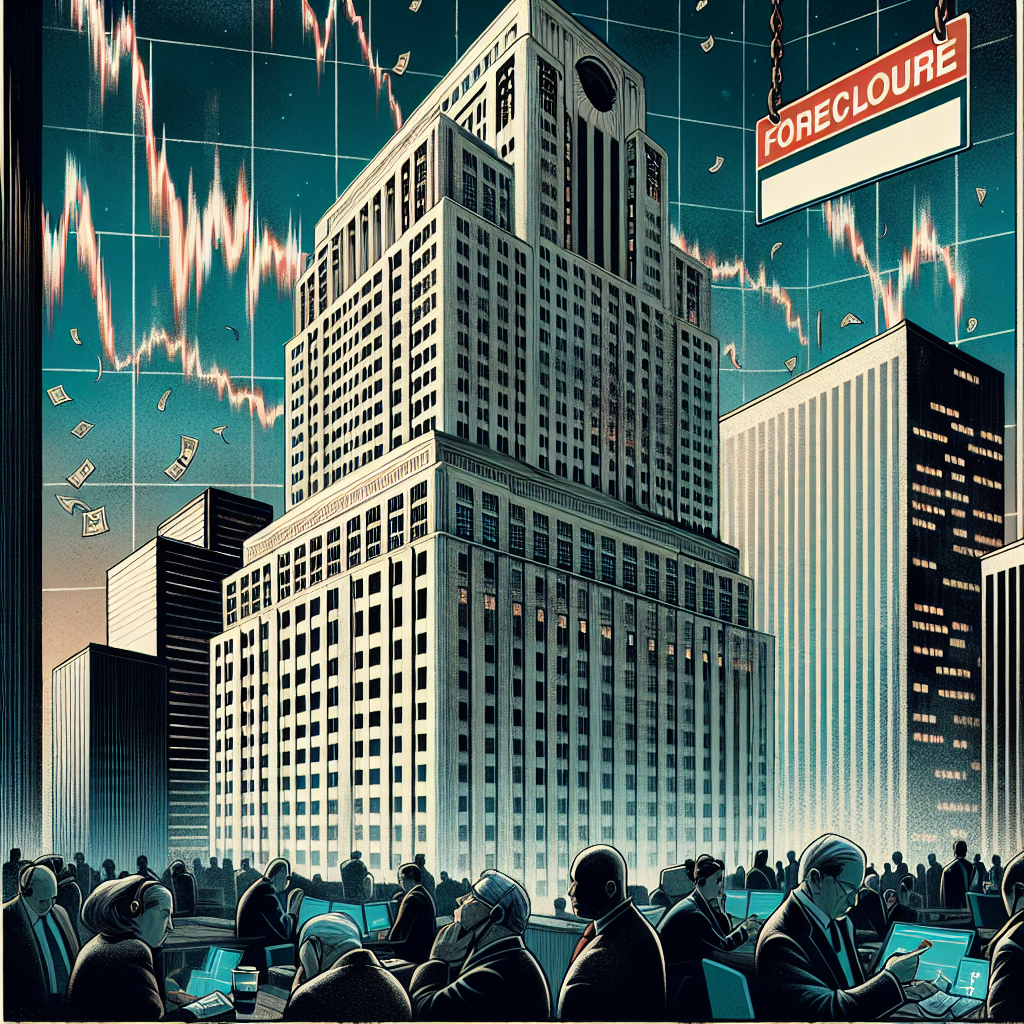
On September 17, 2011, a few hundred protesters set up camp in Zuccotti Park in Manhattan's financial district, calling themselves Occupy Wall Street. Organized loosely and without formal leaders, they were protesting economic inequality, corporate influence over politics, and the fallout of the 2008 financial crisis — anger that the banks at the center of the crash had been bailed out while ordinary Americans lost homes and jobs.
The movement's great contribution was a slogan: "We are the 99%," which framed the country as divided between a tiny, wealthy elite and everyone else. The encampment drew growing attention, and within weeks "Occupy" protests had spread to hundreds of cities across the United States and around the world, becoming a global expression of post-crisis discontent.
Authorities cleared the Zuccotti Park camp in November 2011, and without a central organization or concrete list of demands, the movement faded from the streets within months. Critics pointed to that lack of structure and specific goals as a fatal weakness; the encampments left no legislation or lasting organization behind.
Its influence, however, outlasted the tents. Occupy pushed economic inequality and the concentration of wealth to the center of American political debate, language and concerns that shaped later movements and campaigns, including the populist currents in both parties through the 2010s. The "1 percent" entered the permanent vocabulary of American politics.
| Began | September 17, 2011 |
| Place | Zuccotti Park, Manhattan |
| Grievance | Inequality and post-2008 bank bailouts |
| Slogan | "We are the 99%" |
| Spread | Hundreds of cities worldwide |
| Legacy | Made inequality a central political issue |
| Date | September–November 2011 |
| Location | New York, New York |