The Telegraph

On May 24, 1844, Samuel F. B. Morse tapped out a message from the Supreme Court chamber in Washington to his partner in Baltimore: "What hath God wrought." For the first time in human history, information could travel faster than a person could carry it. Before the telegraph, news moved at the speed of a horse or a ship; after it, a message could cross the country in minutes. Morse, a portrait painter by training, had spent more than a decade developing both the device and the dot-and-dash code that bore his name.
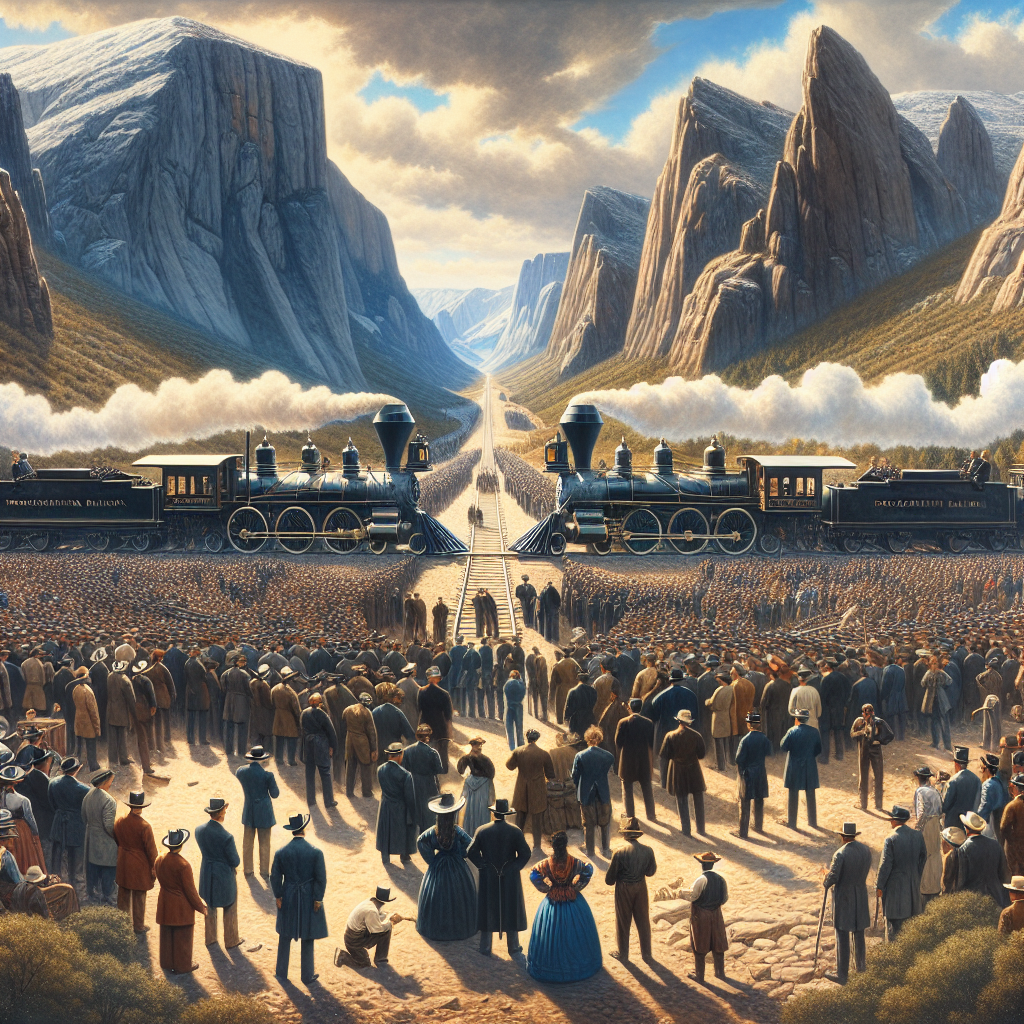
The technology spread with startling speed. Telegraph wires followed the railroads across the continent, and by 1861 the first transcontinental line linked the coasts, rendering the Pony Express obsolete within days of opening. The 1866 transatlantic cable extended the network across the ocean, putting New York and London in near-instant contact and beginning the wiring-together of the globe.
The telegraph reshaped institutions as much as distances. It allowed railroads to coordinate trains safely, gave businesses real-time prices from distant markets, and transformed journalism — the Associated Press was founded in 1846 to share the cost of telegraphic news, and the clipped "telegraphic" style influenced how reporters wrote. During the Civil War, Abraham Lincoln effectively ran the Union war effort from the War Department telegraph office, the first president to command armies in something close to real time.
By collapsing the age-old bond between communication and physical travel, the telegraph laid the conceptual groundwork for the telephone, radio, and ultimately the internet. It was the first technology to make the world feel small — the original "Victorian internet" that taught humanity to expect news from far away to arrive at once.


| Inventor | Samuel F. B. Morse |
| First Message | "What hath God wrought," May 24, 1844 |
| Code | Morse code (dots and dashes) |
| Transcontinental | First line completed 1861 |
| Transatlantic | Cable completed 1866 |
| Impact | Separated communication from physical travel |
| Date | First message May 24, 1844 |
| Location | Washington, D.C. |