The Waco Siege
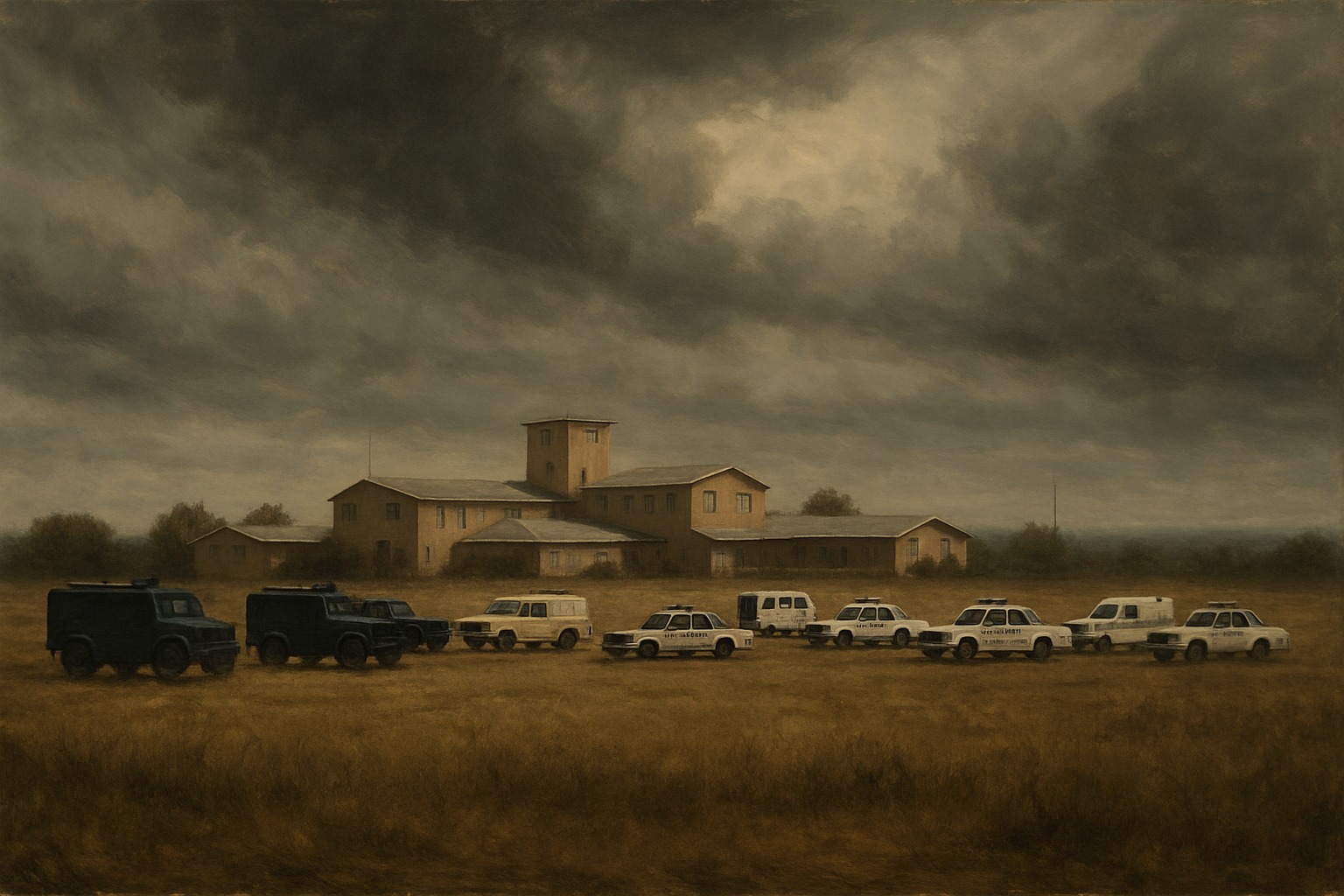
On February 28, 1993, federal agents attempted to raid the compound of a religious sect called the Branch Davidians near Waco, Texas, seeking to arrest its leader, David Koresh, on weapons charges. The raid went badly wrong: a gun battle erupted, killing four agents and six sect members and beginning a tense standoff that would last fifty-one days under intense national media attention.
The Branch Davidians were an offshoot of the Seventh-day Adventist tradition, and Koresh had convinced his followers he was a final prophet. Inside the compound were dozens of men, women, and children. The FBI surrounded the site and, as negotiations dragged on, escalated psychological pressure with floodlights and loudspeakers, while a smaller number of members left.
On April 19, 1993, federal agents launched a final assault, using armored vehicles to pump tear gas into the buildings. Fires broke out and swept through the wooden compound; about 76 people died, including Koresh and more than two dozen children. The causes of the fire and the conduct of the operation became the subject of years of bitter dispute and government investigations.
Waco became a rallying symbol for the anti-government and militia movements, who saw it as proof of a tyrannical federal state. Its second anniversary was deliberately chosen by Timothy McVeigh for the 1995 Oklahoma City bombing, then the deadliest act of domestic terrorism in American history. The siege left a lasting imprint on debates over religious freedom, gun rights, and the use of federal force.

| Dates | February 28 – April 19, 1993 |
| Place | Near Waco, Texas |
| Group | Branch Davidians, led by David Koresh |
| Length | 51-day standoff |
| Toll | About 76 died in the final fire |
| Aftermath | Inspired the 1995 Oklahoma City bombing |
| Date | February 28 – April 19, 1993 |
| Location | Waco, Texas |