The Checkers Speech
Dwight Eisenhower was running against the mess in Washington when, in September 1952, the New York Post reported that his running mate, Senator Richard Nixon of California, had been supported by a secret fund of some eighteen thousand dollars raised by wealthy backers. Newspapers called for Nixon to leave the ticket, and Eisenhower declined to defend him, saying his running mate had to be as clean as a hound's tooth.
Nixon took his case directly to the voters. The Republican National Committee bought a half hour of national airtime, and on September 23 he spoke from an empty theater in Hollywood to an audience estimated at sixty million, the largest television audience to that point. He explained that the fund had paid for political expenses, then recited his family's finances down to the mortgage and the car loan. His wife Pat, he said, did not have a mink coat but a respectable Republican cloth coat.
The speech took its name from one gift he admitted keeping. A man in Texas had sent the family a black-and-white cocker spaniel, and his six-year-old daughter Tricia had named it Checkers. "And you know, the kids love the dog," Nixon said, "and I just want to say this right now, that regardless of what they say about it, we're gonna keep it." He asked viewers to write and wire the national committee about whether he should stay.
Hundreds of thousands of letters and telegrams poured in, overwhelmingly in his favor. Eisenhower met him in West Virginia two days later and told him, you're my boy. Critics mocked the speech as mawkish, but it was the first proof that a politician could use television to go over the heads of party leaders and the press and appeal directly to a national audience, a lesson every campaign since has absorbed.
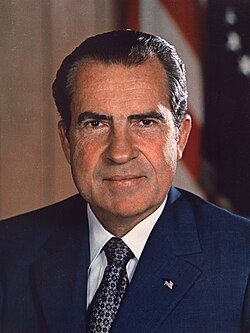
| Speaker | Senator Richard Nixon, Republican vice-presidential nominee |
| Date | September 23, 1952 |
| Charge | A secret fund of about $18,000 from backers |
| Audience | About 60 million viewers |
| Named for | Checkers, the family's cocker spaniel |
| Outcome | Nixon kept his place on the ticket |
| Date | September 23, 1952 |
| Location | El Capitan Theatre, Hollywood, California |