Neil Armstrong
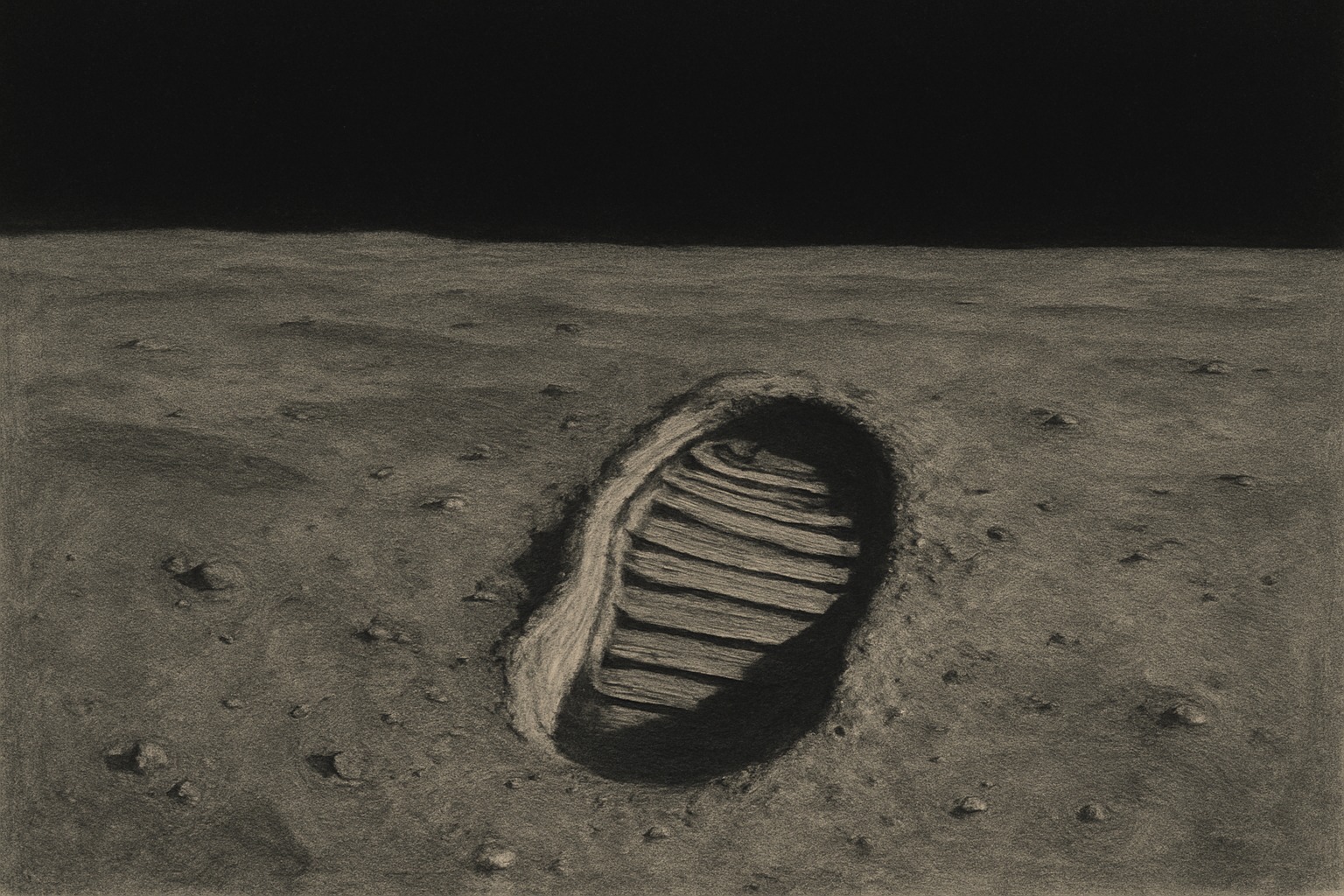
Neil Armstrong became, on July 20, 1969, the first human being to walk on the moon. As commander of Apollo 11, he stepped onto the lunar surface and spoke words heard by hundreds of millions on Earth: "That's one small step for man, one giant leap for mankind."
Armstrong came to the moment as a quiet, supremely skilled engineer and test pilot. A naval aviator who flew combat missions in Korea, he became a civilian test pilot of experimental rocket planes and then an astronaut, known for his cool competence under pressure rather than for seeking the spotlight.
That composure may have saved Apollo 11. As the lunar module descended toward the surface, alarms sounded and the computer was steering toward a boulder field; Armstrong took manual control and landed with seconds of fuel to spare. It was the kind of moment his entire career had prepared him for.
Famously private, Armstrong largely avoided fame after the mission, returning to teaching and engineering. He remained the embodiment of the moon landing — the human face of the greatest feat of exploration in history.