Salk Polio Vaccine
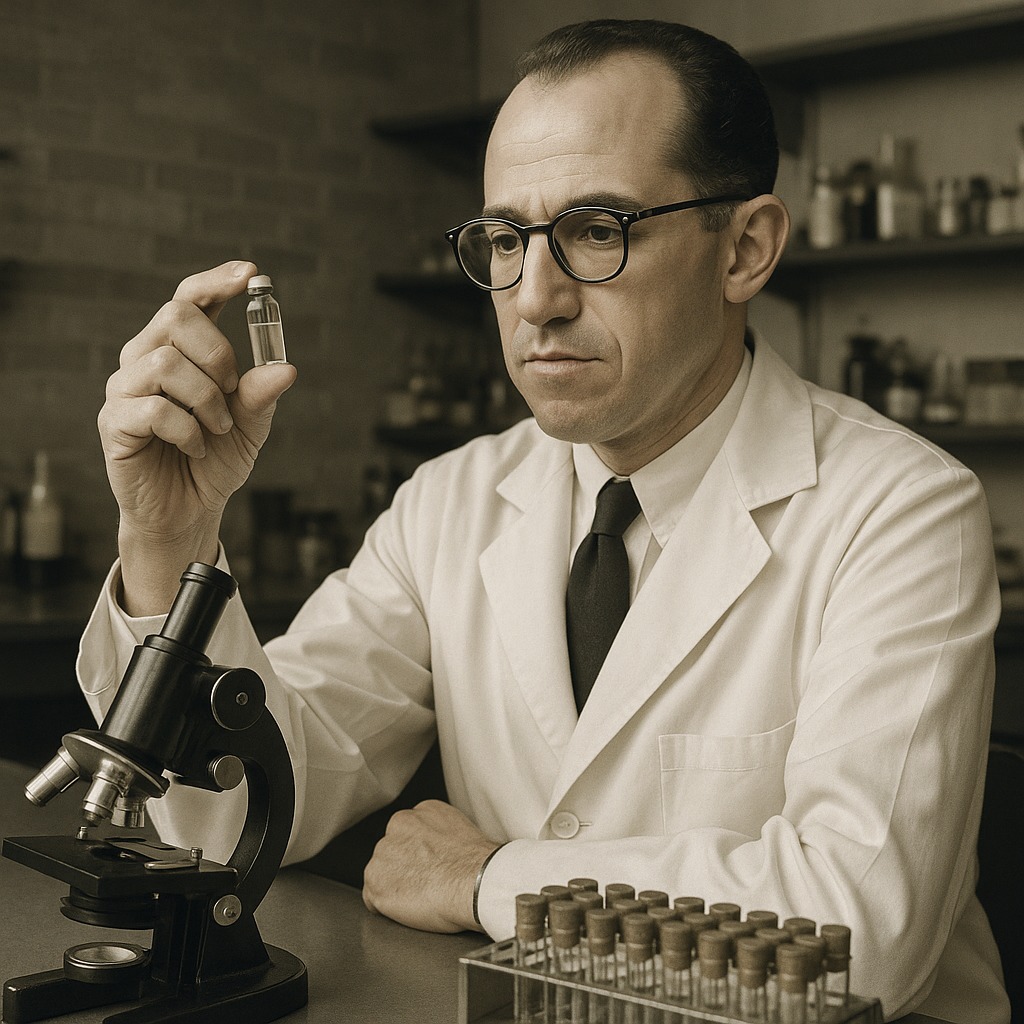
On April 12, 1955, the University of Michigan announced that the inactivated polio vaccine developed by Dr. Jonas Salk and his team in Pittsburgh had been proven safe and effective in a national field trial — at the time the largest clinical trial in history, involving 1.8 million American schoolchildren. Polio had been the most feared American disease of the postwar era. In the worst year before the vaccine, 1952, 58,000 cases were reported in the United States, leaving 3,145 dead and 21,269 paralyzed, most of them children. Hospital wards filled with iron lungs were one of the iconic images of midcentury American medicine. The announcement was front-page news around the world.
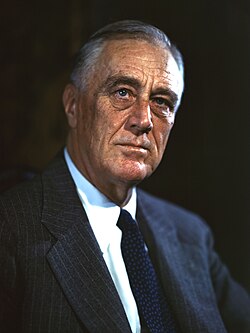
The trial had been organized and funded by the March of Dimes, the nonprofit foundation founded by Franklin Roosevelt — himself a polio survivor — that had raised more than $100 million from small donations specifically to defeat the disease. Salk's vaccine used killed virus, injected, requiring three doses; Albert Sabin's competing oral vaccine, which used a weakened live virus, was licensed in 1961 and became the standard in most countries by the late 1960s. Used together over a generation, the two vaccines reduced the global case count from hundreds of thousands a year to a handful of cases in two remaining countries.
Salk became, instantly, one of the most famous men in America. Asked by Edward R. Murrow on national television who owned the patent on the vaccine, he answered, "Well, the people, I would say. There is no patent. Could you patent the sun?" The remark has been quoted ever since as a model of scientific public-spiritedness; later analysis suggests the vaccine probably could not have been patented under existing law in any case. Either way, Salk and his employer made no money on the vaccine itself. He spent the rest of his career at the Salk Institute, which he founded in La Jolla in 1960, and worked on an AIDS vaccine in his final years.
| Announced safe & effective | April 12, 1955 — University of Michigan |
| Developer | Dr. Jonas Salk (University of Pittsburgh) |
| Vaccine type | Inactivated (killed) virus, injected |
| Field trial size | 1.8 million children (largest in history at the time) |
| Funder | March of Dimes ($100M+ raised from small donors) |
| Patent | None — Salk: "Could you patent the sun?" |
| Successor vaccine | Sabin oral vaccine, licensed 1962 |
| Date | Announced: April 12, 1955 · Field trial: 1954 |
| Location | University of Pittsburgh, Pennsylvania |