U.S.–Spain Relations
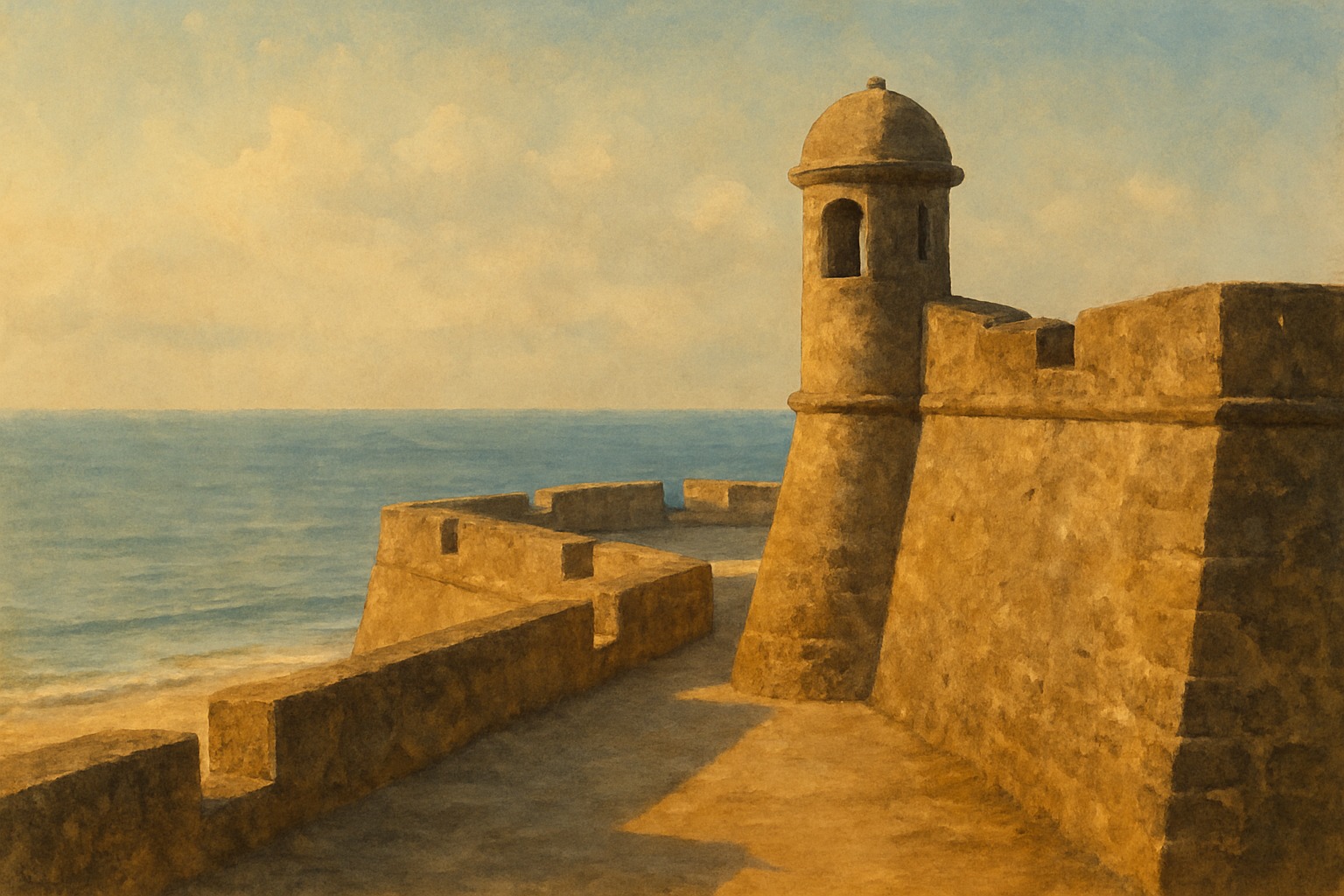
Spain was in America long before the United States existed. It planted the first permanent European settlement in what became the United States, ruled Florida and the Southwest for centuries, and shaped the language, place names, and culture of half the country. The American relationship with Spain is one of inheritance and rivalry — and it ended with the United States dismantling the last of Spain's empire.
Spanish explorers and missionaries reached Florida and the Southwest in the 1500s, founding St. Augustine in 1565 — decades before Jamestown or Plymouth. For two and a half centuries, the borderlands of the future United States were as much Spanish as anything else, a presence still written across the map from Florida to California.
As the young republic expanded, it pressed against Spanish territory. The 1819 Adams-Onís Treaty transferred Florida to the United States and drew a boundary across the continent, settling — for a time — the long friction between the two over the southeastern borderlands.
The relationship ended in rupture. In 1898 the United States went to war with Spain over Cuba, and in a matter of months stripped away Cuba, Puerto Rico, Guam, and the Philippines — ending Spanish power in the Americas and announcing the United States as an imperial power in its own right. What began as colonization by Spain ended as conquest of its empire.
| First Settlement | St. Augustine, Florida, founded 1565 |
| Colonial Reach | Florida, the Gulf Coast, and the Southwest |
| Florida | Ceded to the U.S. by the Adams-Onís Treaty, 1819 |
| The Rupture | Spanish-American War, 1898 |
| Outcome | Cuba, Puerto Rico, Guam, and the Philippines change hands |
| Date | From St. Augustine (1565) to the Spanish-American War (1898) |