The Transistor
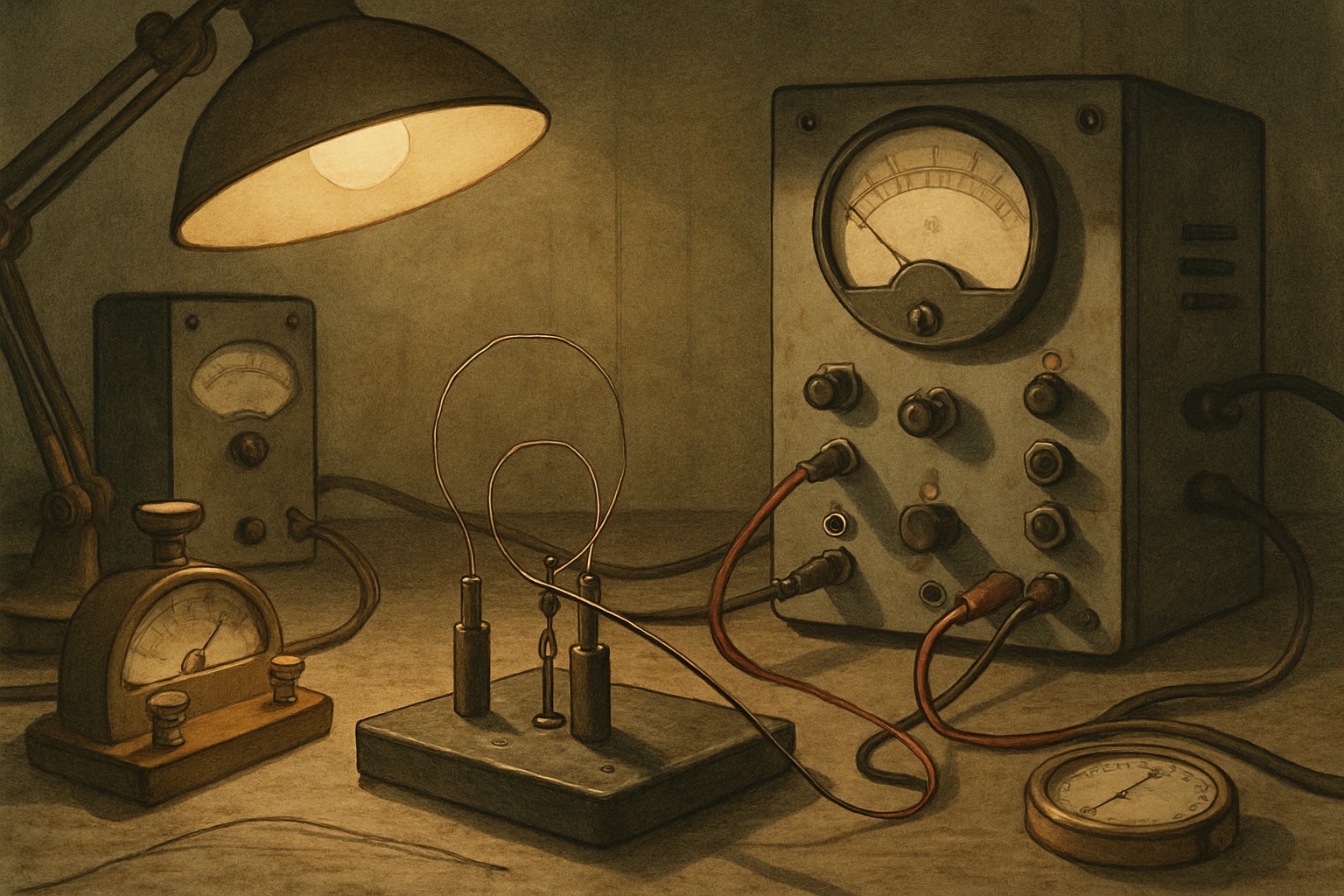
In December 1947, three physicists at Bell Labs in New Jersey — John Bardeen, Walter Brattain, and William Shockley — demonstrated the first working transistor. It was a small, unglamorous device that could amplify and switch electrical signals, and it would prove to be one of the most important inventions of the 20th century.
The transistor replaced the bulky, hot, fragile vacuum tube. Tiny, durable, and cheap, it could be made smaller and smaller and packed together by the millions, eventually onto a single chip. Everything that defines modern electronics — its speed, its size, its affordability — flows from that breakthrough.
The work earned its inventors the Nobel Prize, and it seeded an industry. Shockley's move to California to commercialize the technology helped give rise to Silicon Valley, and the transistor became the literal building block of the computer, the internet, and the digital economy.
Almost nothing in modern life — computers, smartphones, the internet, spacecraft — would exist without it. The transistor is the quiet foundation on which the entire digital world was built, the single invention that connects the vacuum-tube era to the age of the microchip.
| Invented | December 1947, at Bell Labs |
| Inventors | John Bardeen, Walter Brattain, William Shockley |
| Function | Amplifies and switches electrical signals |
| Replaced | The bulky, fragile vacuum tube |
| Legacy | Building block of the computer and the digital age |
| Date | Invented December 1947 |