Nuclear Weapons
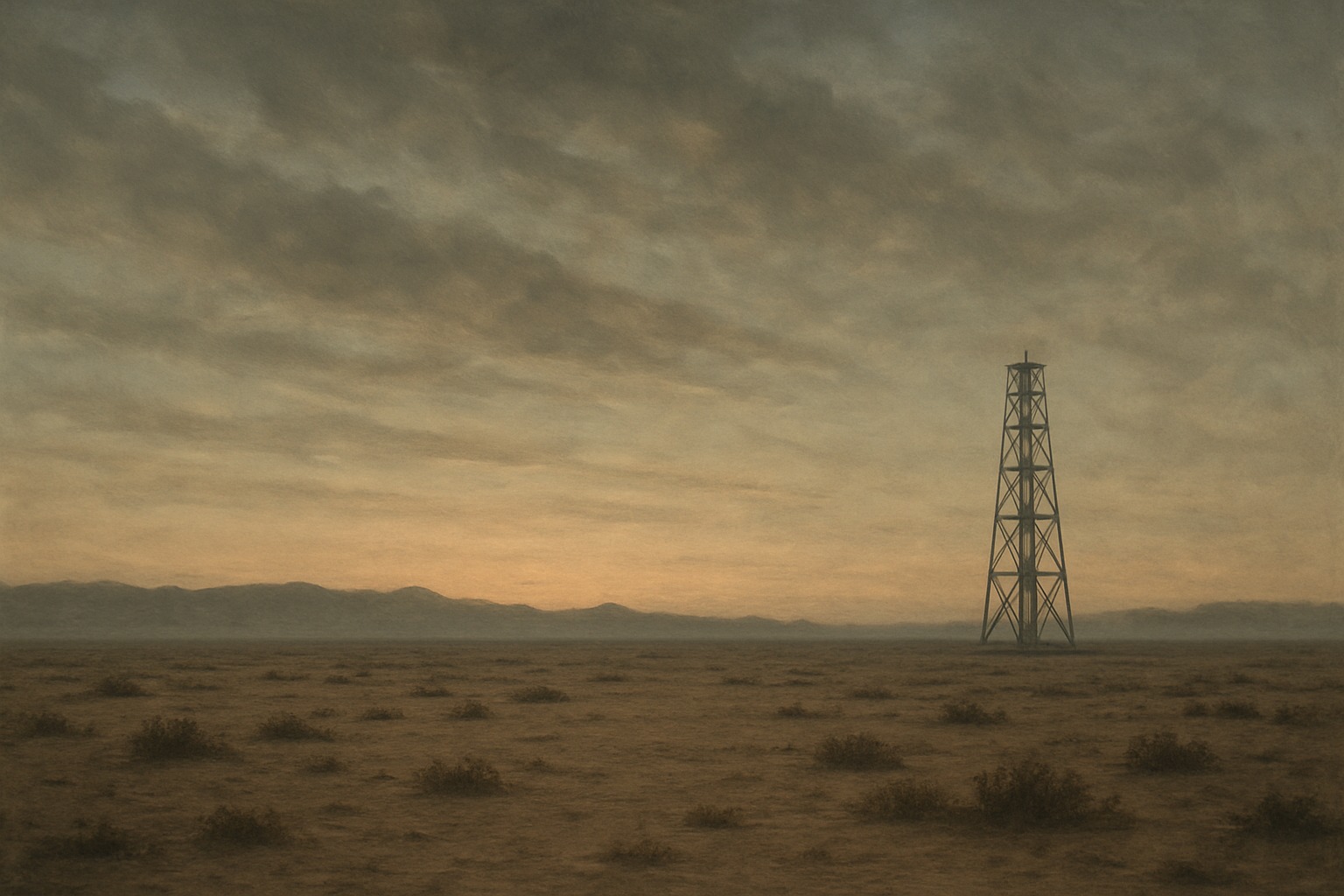
When the United States detonated the first atomic bombs over Hiroshima and Nagasaki in 1945, it introduced a weapon so destructive that it changed the very meaning of war. Nuclear weapons made it possible, for the first time, for nations to destroy one another — and much of human civilization — within hours.
America's nuclear monopoly lasted only until 1949, when the Soviet Union tested its own bomb, launching an arms race that came to define the Cold War. Both sides built thermonuclear weapons hundreds of times more powerful than the first bombs, and arsenals that together numbered in the tens of thousands.
The sheer destructiveness gave rise to a strange logic: deterrence, the idea that no one would start a war they could not survive — "mutually assured destruction." It made direct war between the superpowers unthinkable even as they competed everywhere else, and it placed the threat of annihilation at the center of global politics.
Since the Cold War, arms-control treaties have reduced the arsenals, but the weapons remain — held by a handful of nations and shadowed by the fear of their spread. No invention has more completely reshaped the relationship between military power and human survival.
| First Used | Hiroshima and Nagasaki, 1945 |
| Arms Race | USSR tested its bomb in 1949 |
| Doctrine | Deterrence; "mutually assured destruction" |
| Peak Arsenals | Tens of thousands of warheads at the Cold War's height |
| Today | Reduced by treaty but still held by several nations |
| Date | From 1945 |