The NSA
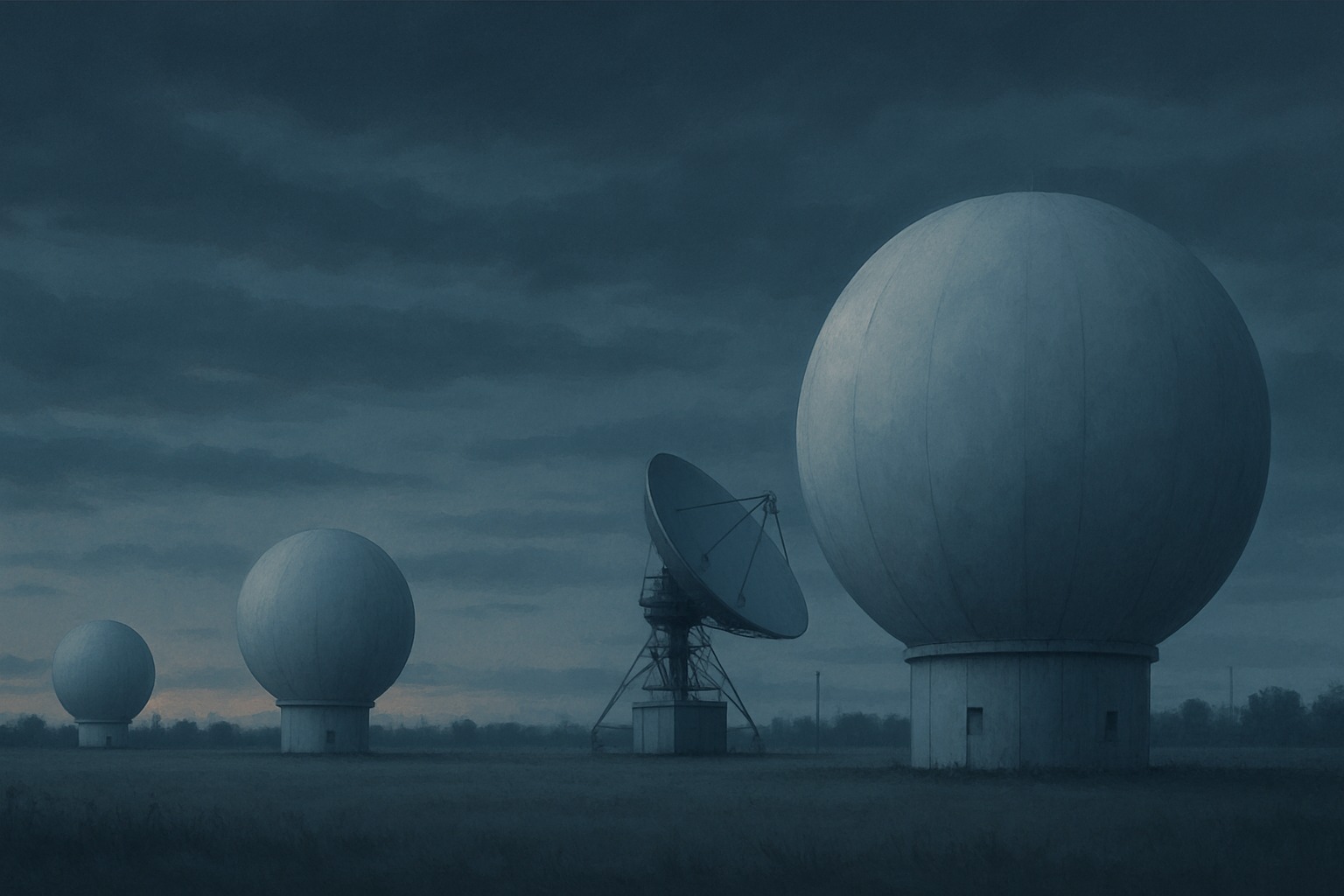
The National Security Agency, established in secret in 1952, is the United States' signals-intelligence agency — the one that intercepts and decodes communications. For decades it was so secret that insiders joked its initials stood for "No Such Agency." It is the largest and most technologically advanced of the intelligence services.
The NSA's roots lie in the codebreakers of World War II, whose triumphs over enemy ciphers helped win the war. In the Cold War it built a global network to intercept Soviet and other communications, and it became a leader in computing and cryptography, pushing the frontiers of the technology it depended on.
The digital age transformed and exposed it. As global communication moved onto the internet, the NSA built vast systems to collect and sift electronic data. In 2013 the contractor Edward Snowden leaked documents revealing programs of mass surveillance that swept up the communications of ordinary Americans, igniting a worldwide debate over privacy and security.
The NSA sits at the heart of the modern tension between intelligence and liberty. Its capabilities are extraordinary and largely invisible, and its work raises, more sharply than any other agency, the question of how much secret power a free society should permit.