The CIA
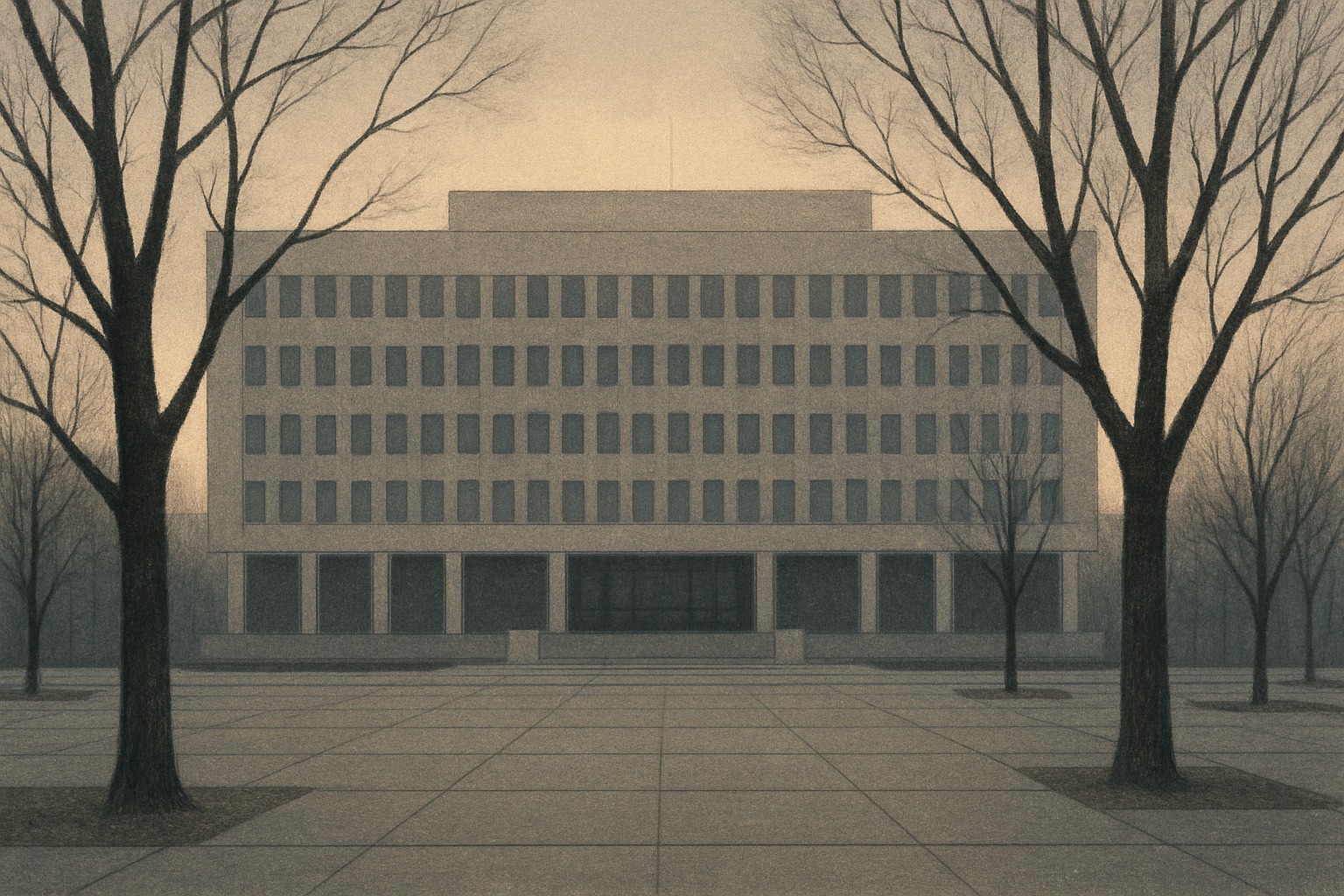
The Central Intelligence Agency, created by the National Security Act of 1947, is the United States' principal foreign intelligence service. It gathers and analyzes information on foreign governments and threats — and, more controversially, conducts covert operations abroad on the president's orders.
Born at the dawn of the Cold War, the CIA became a central weapon in the shadow struggle with the Soviet Union. It ran spy networks, intercepted secrets, and analyzed the intentions of adversaries, supplying presidents with the intelligence that shaped American strategy.
It also engaged in covert action that remains deeply contested: orchestrating coups in Iran in 1953 and Guatemala in 1954, the failed Bay of Pigs invasion of Cuba in 1961, and assassination plots and secret wars elsewhere. These operations, many exposed in the 1970s, made the agency a symbol of American power abroad and of its excesses.
After the Cold War and especially after 9/11, the CIA shifted heavily toward counterterrorism, drone operations, and interrogation programs that sparked new controversy. It remains the most famous — and most scrutinized — of America's intelligence agencies.
| Created | 1947, by the National Security Act |
| Role | Foreign intelligence and covert action |
| Cold War | Coups in Iran (1953) and Guatemala (1954); Bay of Pigs (1961) |
| Oversight | Abuses exposed by the Church Committee, 1975 |
| Post-9/11 | Counterterrorism, drones, and interrogation programs |
| Date | Created 1947 |