The Federal Reserve
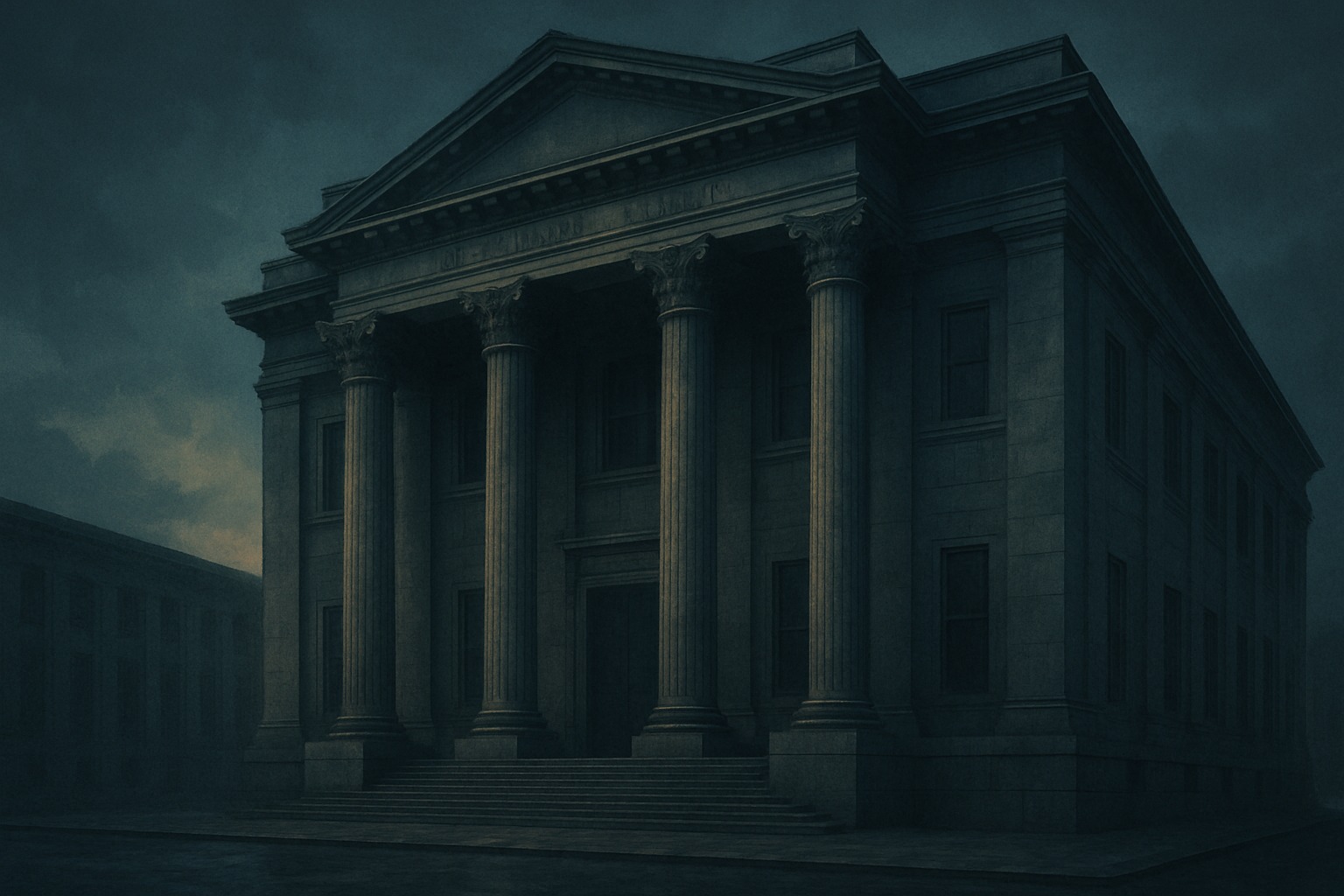
The Federal Reserve, created in 1913, is the central bank of the United States — the institution that manages the nation's money supply, sets interest rates, and acts as a lender of last resort to the banking system. Often simply called "the Fed," it is one of the most powerful economic institutions in the world.
It was born of crisis. The Panic of 1907 had been halted only by the personal intervention of the financier J. P. Morgan, and the episode convinced Congress that the country needed a permanent institution to stabilize the banking system. The result was a uniquely American compromise: a central bank with regional reserve banks, balancing public and private control.
Over the following century the Fed's power grew enormously. It came to be charged with both fighting inflation and supporting employment, and its decisions on interest rates ripple through every corner of the economy. In crises — the Great Depression, 2008, and beyond — its actions can determine whether a downturn is contained or becomes a catastrophe.
The Fed remains controversial. Its independence from elected politicians is prized by some as essential to sound money and resented by others as undemocratic, and its vast influence makes it a perennial target in debates over the economy. But few institutions matter more to American — and global — prosperity.
| Created | 1913 |
| Role | Central bank; manages money and interest rates |
| Born From | The Panic of 1907 |
| Structure | A board plus regional reserve banks |
| Debate | Prized and resented for its independence |
| Date | Created 1913 |